Disclaimer: I am not a professional writer, and do not use AI intelligence, what you are reading comes from me. So if you are looking for perfect written article, you aren’t going to find it. It is just my story of what life is like with a special needs child. Thank you for your acceptance of my raw writing skills, and I hope you can learn something from our families journey with Lei Lei, the good, the bad, and the ugly.
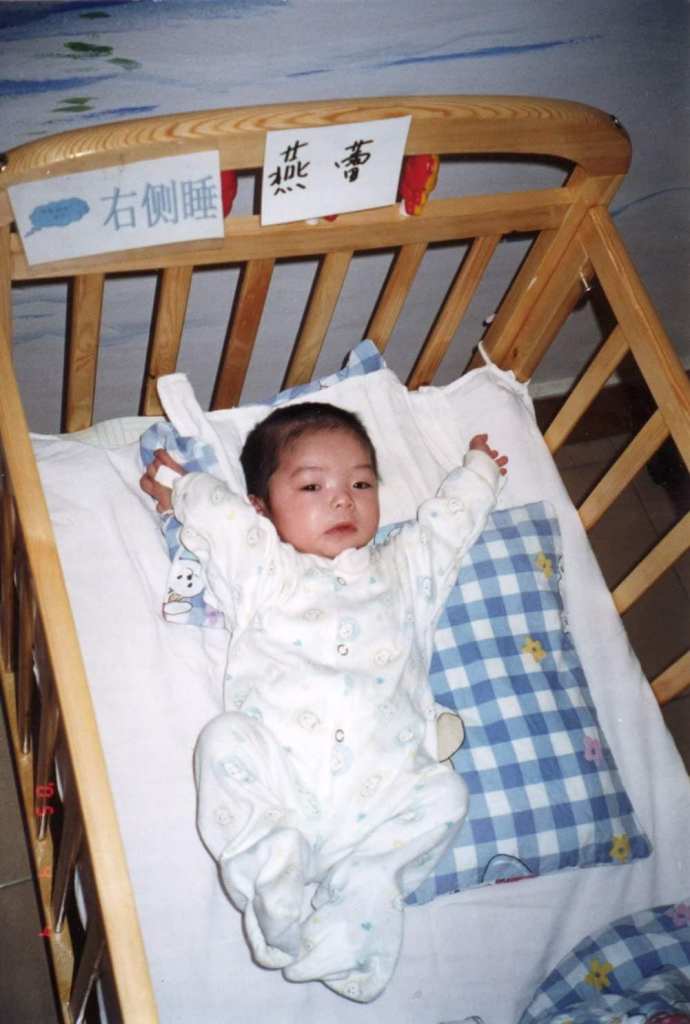
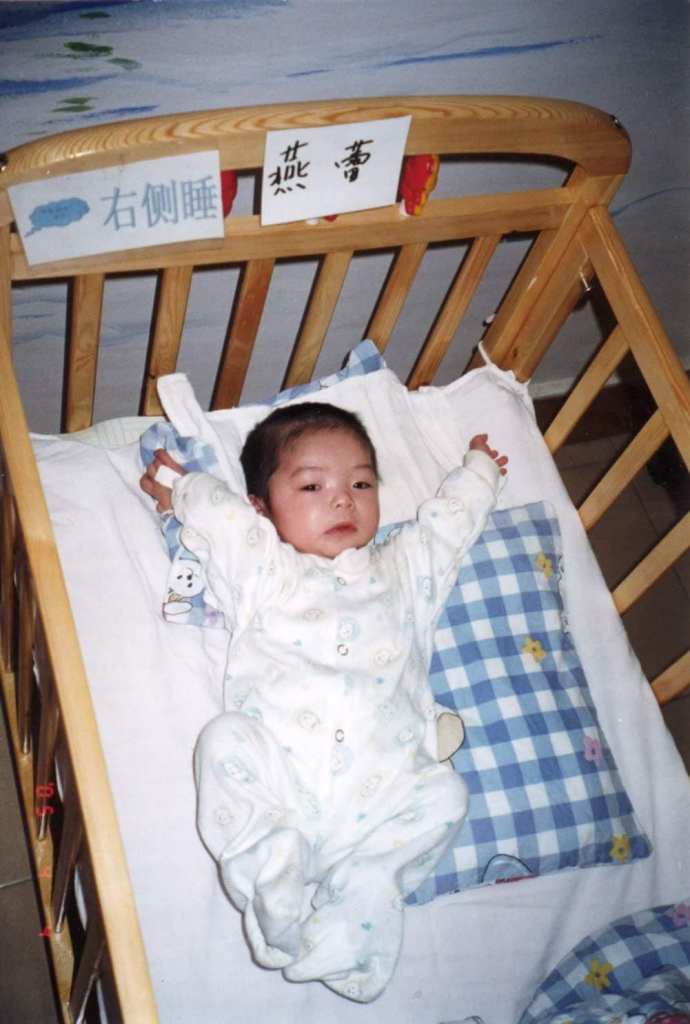
Lei Lei was adopted at the age of 2 from China from a special needs list. The bio read that she was 80% deaf and had a birth defect of the brain called cerebral dysgenesis. We weren’t sure what that meant, but she needed a family. The adoption agency called her the child’s plea, meaning if someone did not come forward to adopt her, that she probably would not leave China and spend the rest of her life in a special needs orphanage, or something worse.
Within the first 2 years of her life, she had gone through 6 transitions. She was born and her mother realized she could not take care of her, she left her at the bottom of a mountain on a road hoping she would be found. She was found and taken to an orphanage only for them to realize that she needed more than they could give, so they moved her to a special needs orphanage. She started to thrive and was then placed in a foster family, only for them to send her back to the orphanage due to getting custody of their grandson. So she went into another foster family, and then along came her family. We adopted Lei Lei when she was 2 years old, it has been a journey that we were not prepared for.
NOTE TO SELF: If adopting a child with disabilities and you are in your early 40’s, ask yourself where will I be and what will I be doing 20 years from now? That puts you in your 60’s. Chris and I did not ask ourselves these questions when deciding to adopt Lei Lei, and maybe we should have. I know you can not predict the future, and we took a huge leap of faith when we decided to adopt Lei Lei. You also need to think about how a younger child with disabilities will affect your older children. Lei Lei has a sister, Lucy who is 13 months older than her, Lucy was a normal adoption, no disabilities, in fact she is on the high side of the IQ charts. Extremely intelligent, very artistic.
November 13th, 2006 – Jin Yan Lei becomes Amelia Lee Ellis Blair. We call her Lei Lei. Jin Yan Lei has a few different translations, but in her adoption paper work, it meant Little Flower Bud. The internet says this: Jin Yan Lei is likely not a single, common Chinese phrase or name, but rather a combination of sounds that could refer to different words depending on the specific characters and context. The meaning of a phrase changes significantly with different characters and their pinyin romanization. For example, 金 (jīn) means “gold,” while 言 (yán) can mean “words,” and 雷 (léi) means “thunder”. So in this definition, it could mean Golden Words of Thunder. Remember that as you read on. Remember the phrase, “The Quiet Before the Storm?” Read on……..
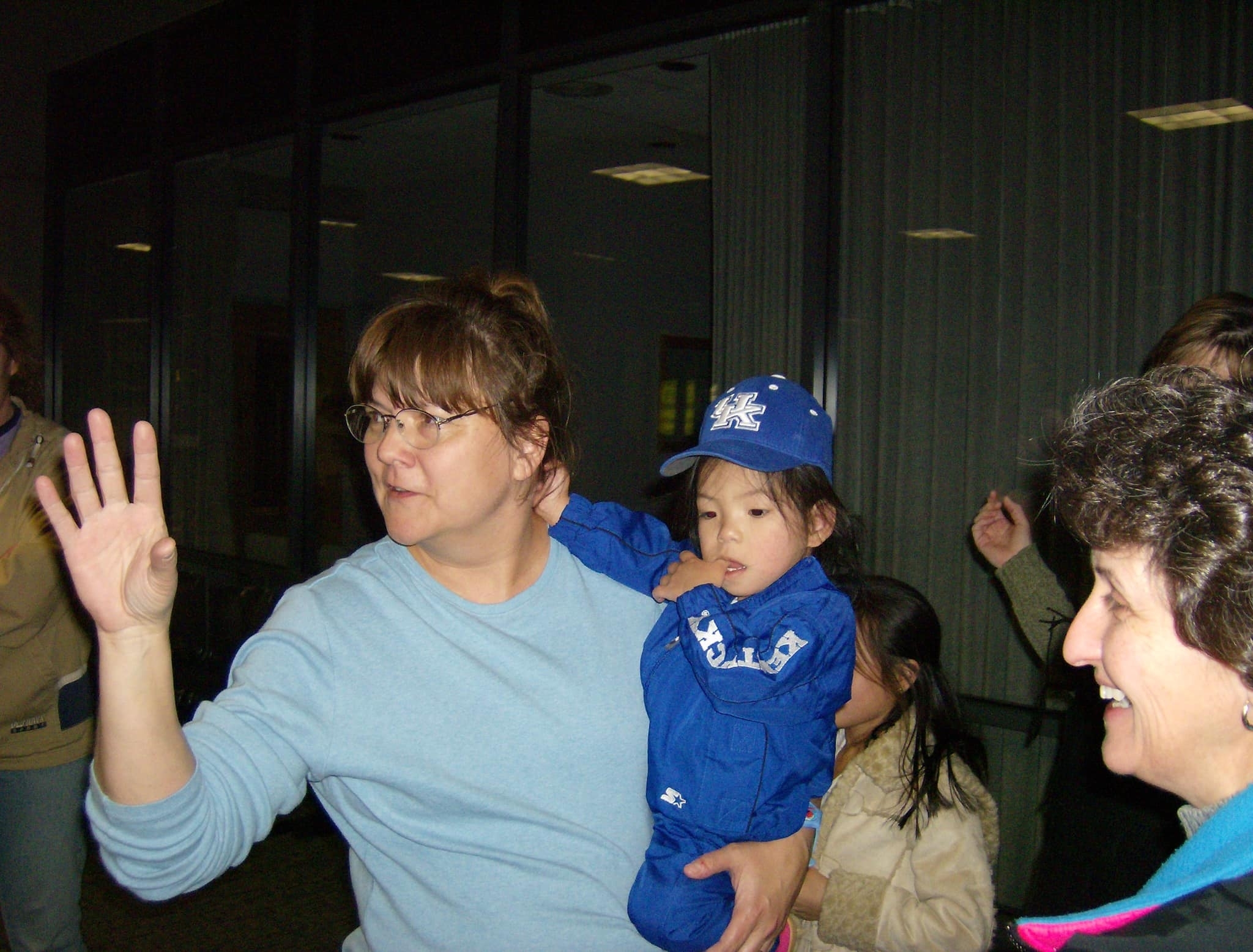
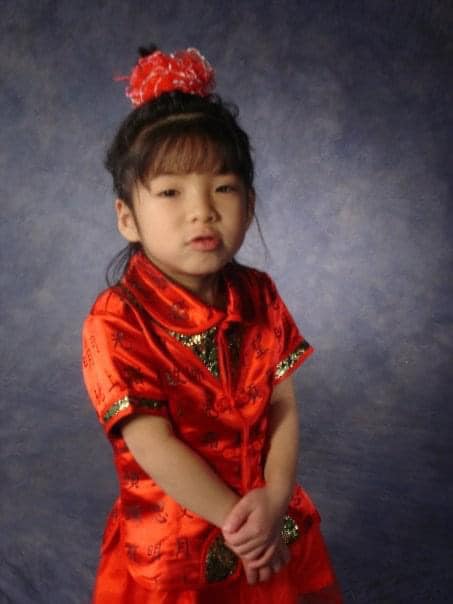
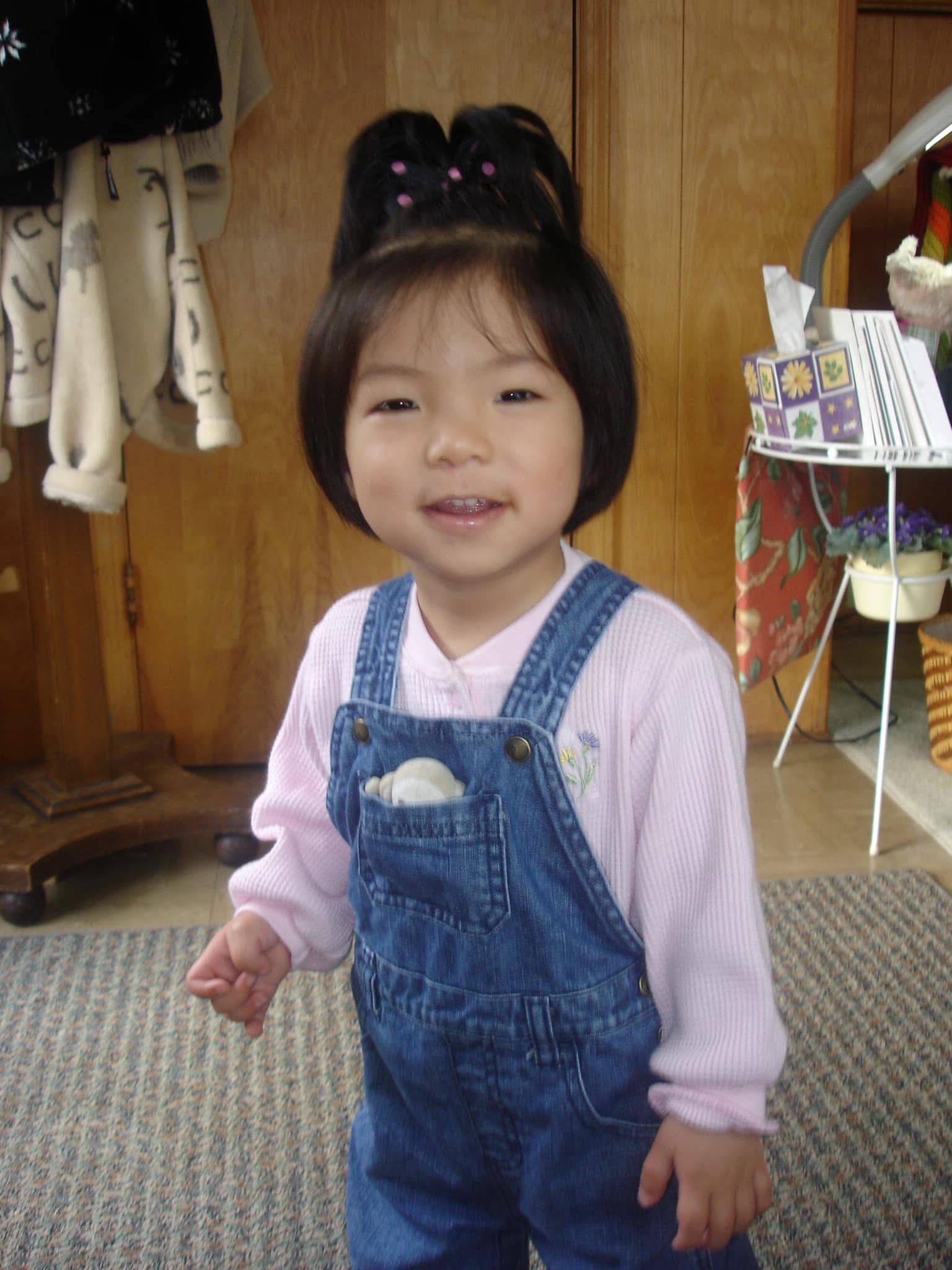
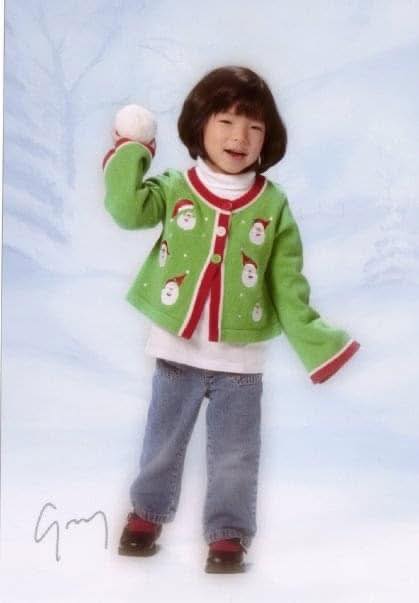
So upon bringing her home, we learned she wasn’t deaf, and had no clue about any learning disabilities. We thought she was going through the terrible two’s, three’s and four’s. It wasn’t until she started kindergarten that we found out there was a learning problem.
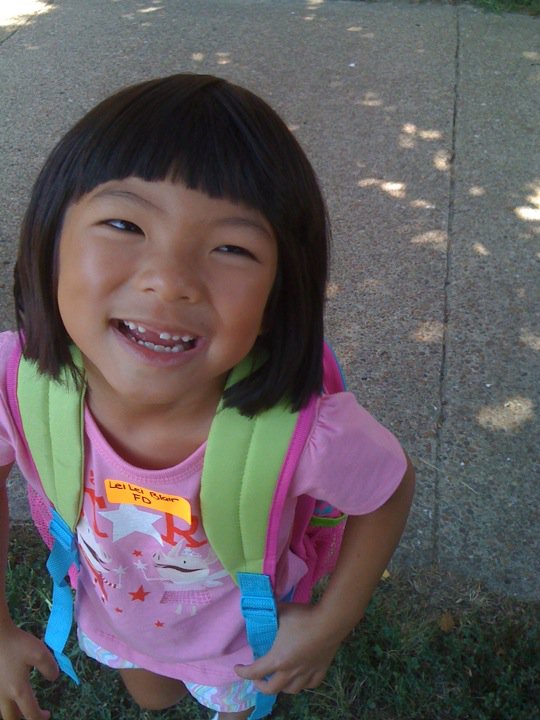
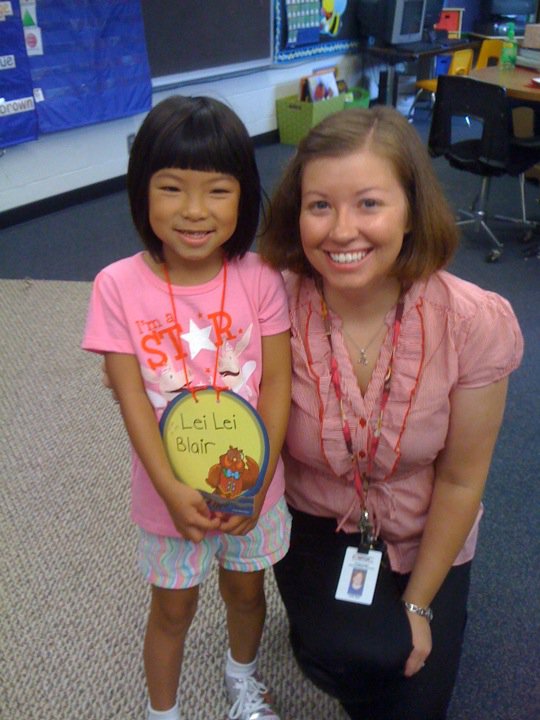
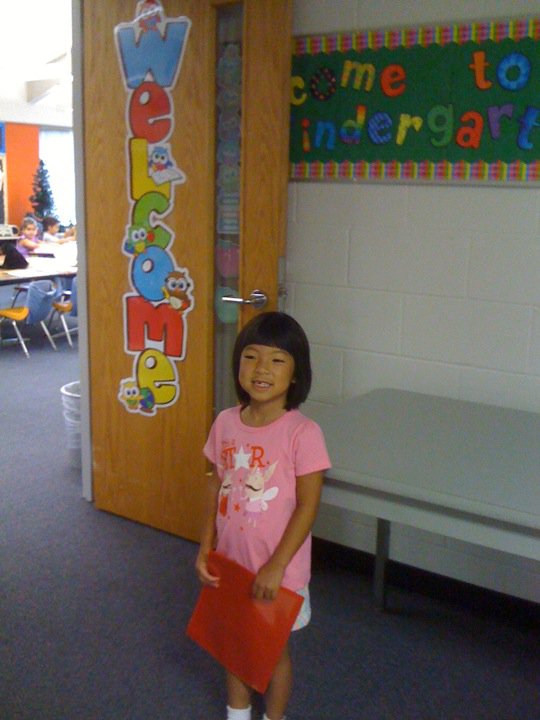
It was Lei Lei’s kindergarten teacher Mrs. Titus that realized there was a learning problem. Within the first 7 days of school starting, our teacher suggested having her tested. So we did, and an IEP was put into place for Lei Lei.
Lei Lei was a hard worker but something in her brain just wasn’t clicking. So I guess this is where the diagnosis of cerebral dysgenesis comes into play. “A birth defect of the brain” We just assumed it was a learning disability and we would get through it. Well it wasn’t just a learning disability, remember the quiet before the storm I mentioned? Thunder along with many turbulent events were coming.

Lei Lei did fine through elementary school, but when middle school came along, out came the storm inside her. She started showing signs of behavioral issues (Oppositional Defiance Disorder). Tantrums, foot stomping, throwing things, screaming and more. This seemed to happen when she just could not comprehend what was being said to her. Life became extremely difficult in our household, and we weren’t sure what we needed to do. Lucy really had a hard time dealing with the issues we were seeing with Lei Lei. Their relationship has been strained since the tween years. Lei Lei was also going through puberty which included menstrual migraines. We decided to take her to a pediatric neurologist Dr. Vinay Puri, as well as a pediatric psychologist, Dr. Sarah Spurling. This team worked miracles with Lei Lei. While Dr. Puri was treating her for migraines, Dr. Spurling was helping us by giving us coping tools and exercises on how to handle the explosive behaviors we were dealing with. Dr. Puri ran a genetic panel on her when she was 12, along with MRI’s, and other testing which also included a medication called Seroquel. During this time Dr. Spurling was giving us the tools we needed to try to slow the tantrums down. The thing that worked the best was giving her a reward when she was able to understand and comprehend what we were telling her without having a melt down. So a $1.00 milkshake from Arby’s did a lot for us. Fast forward: We didn’t find out much until Lei Lei was 17 when Dr. Puri decided to run one more genetic panel on her. and BINGO, we have a diagnosis.
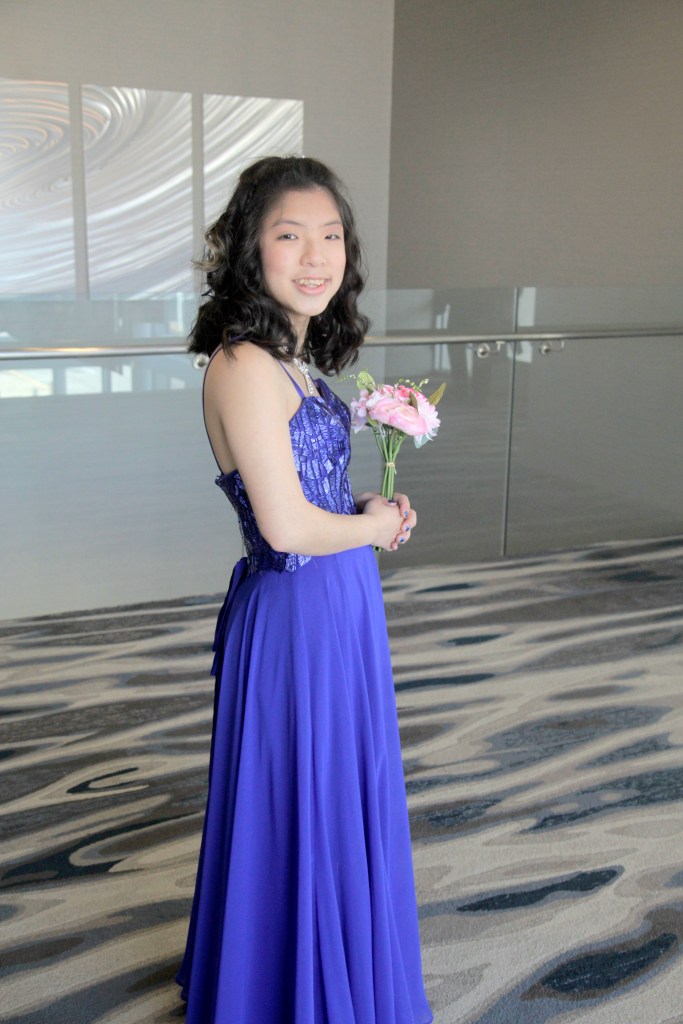
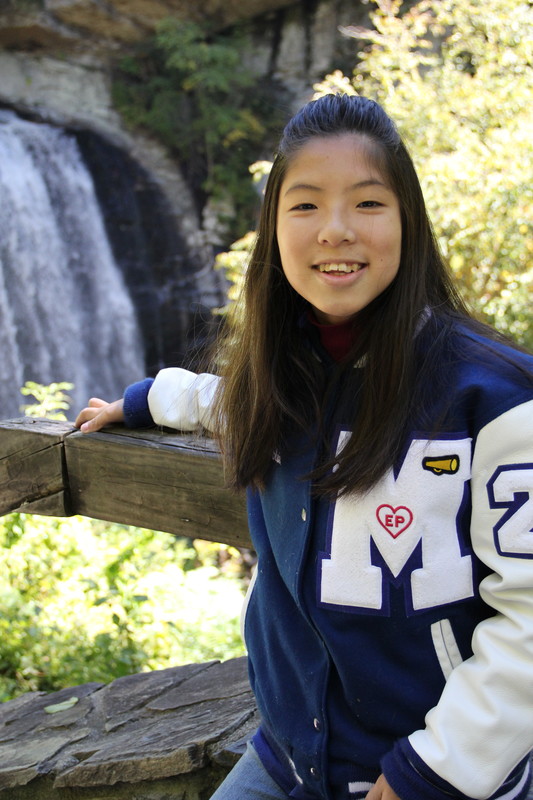
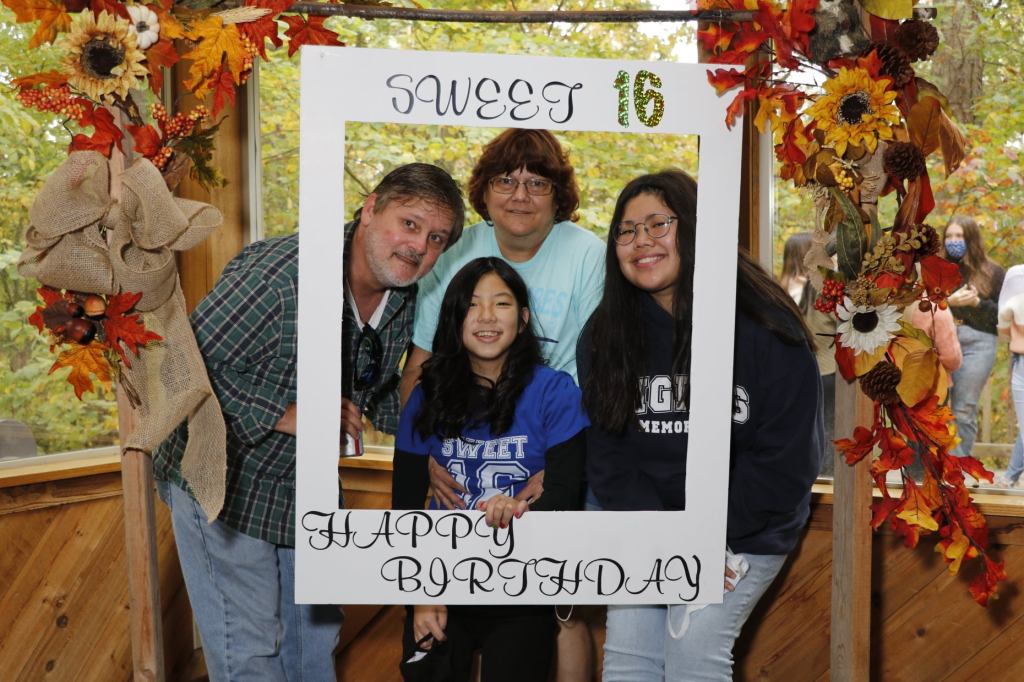
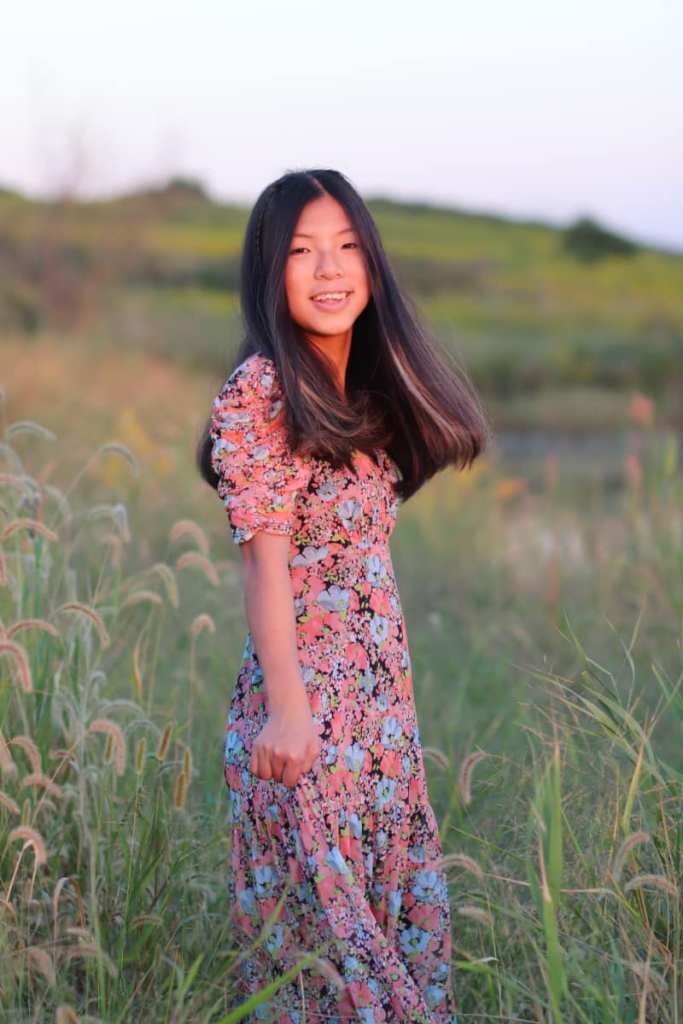
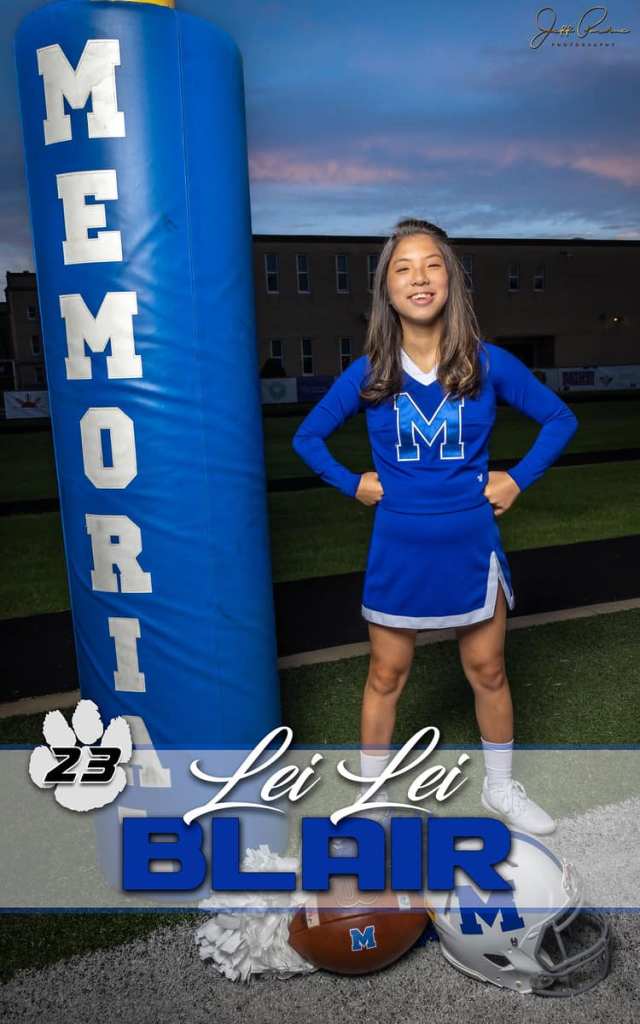
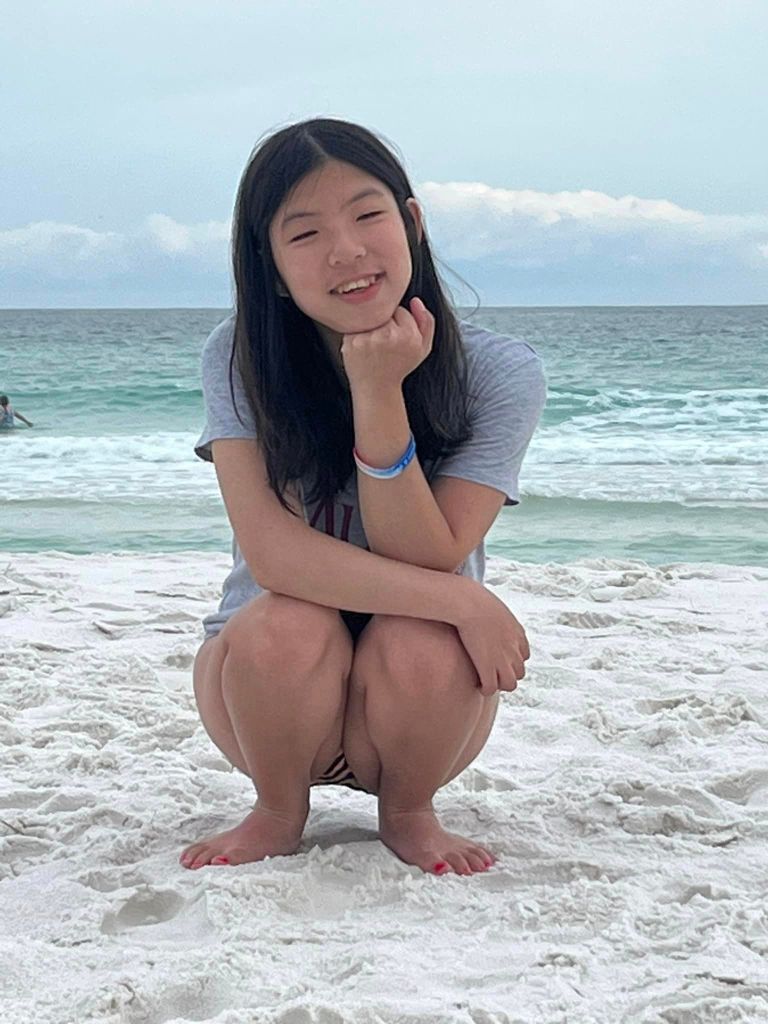
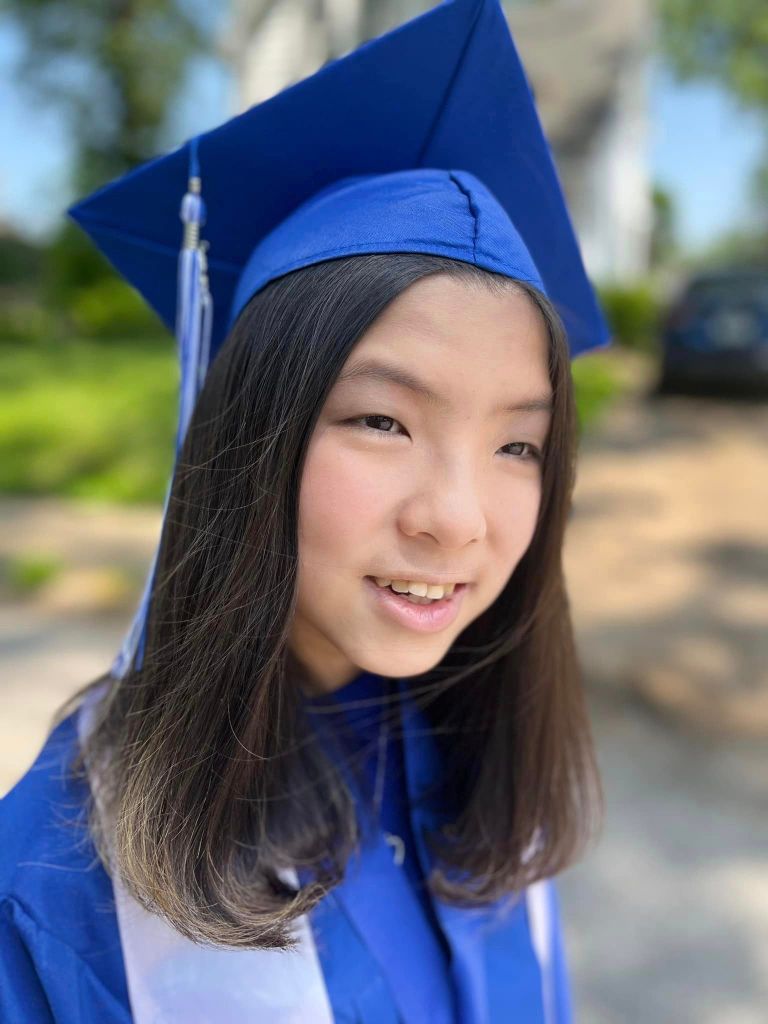
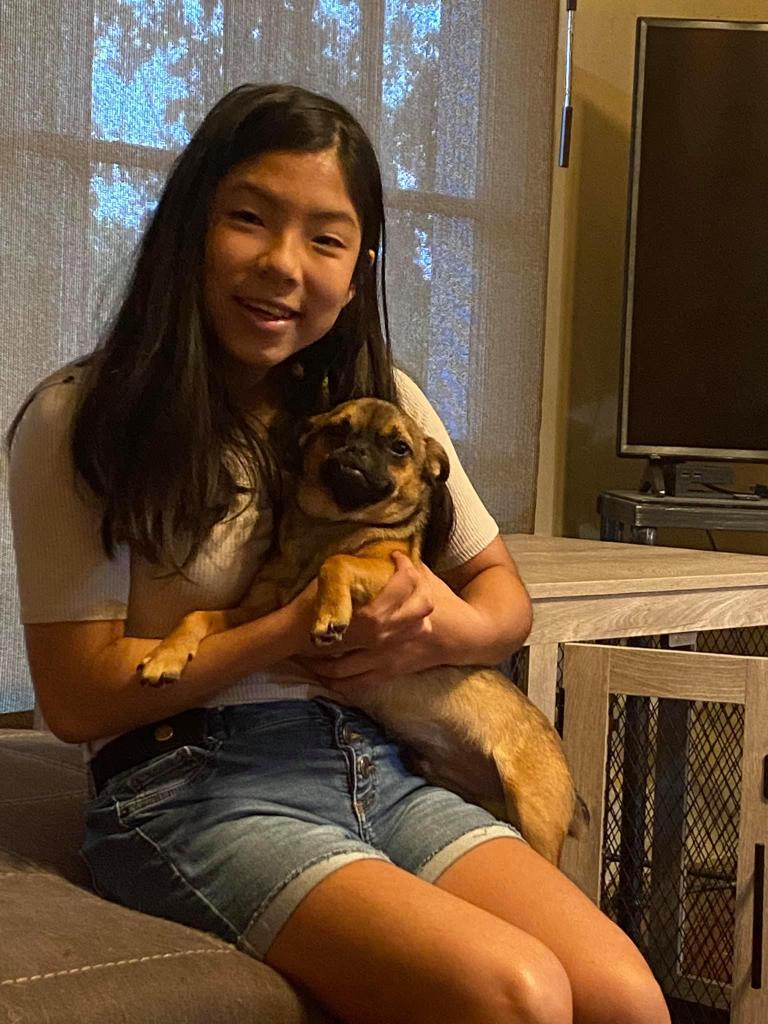
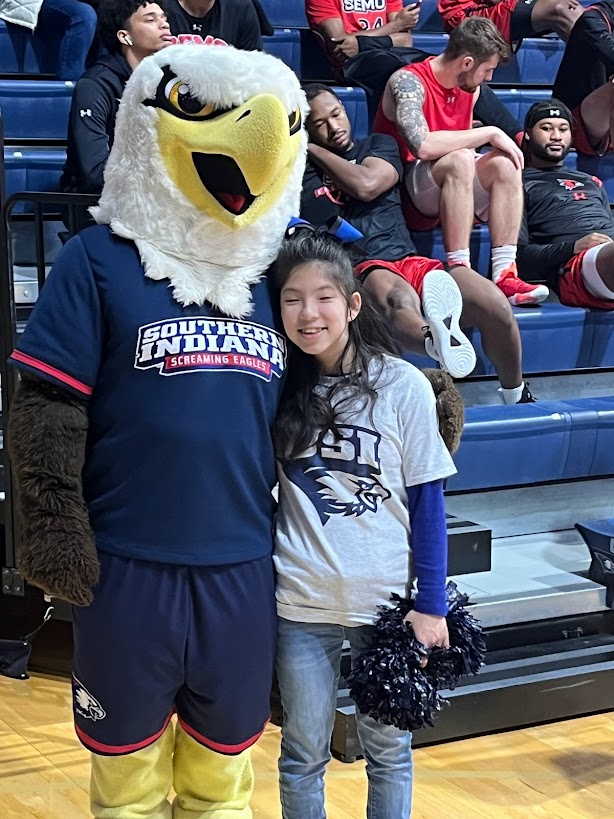
We have a diagnosis: Wiedemann Steiner- Syndrome coupled with Oppositional Defiance Disorder.
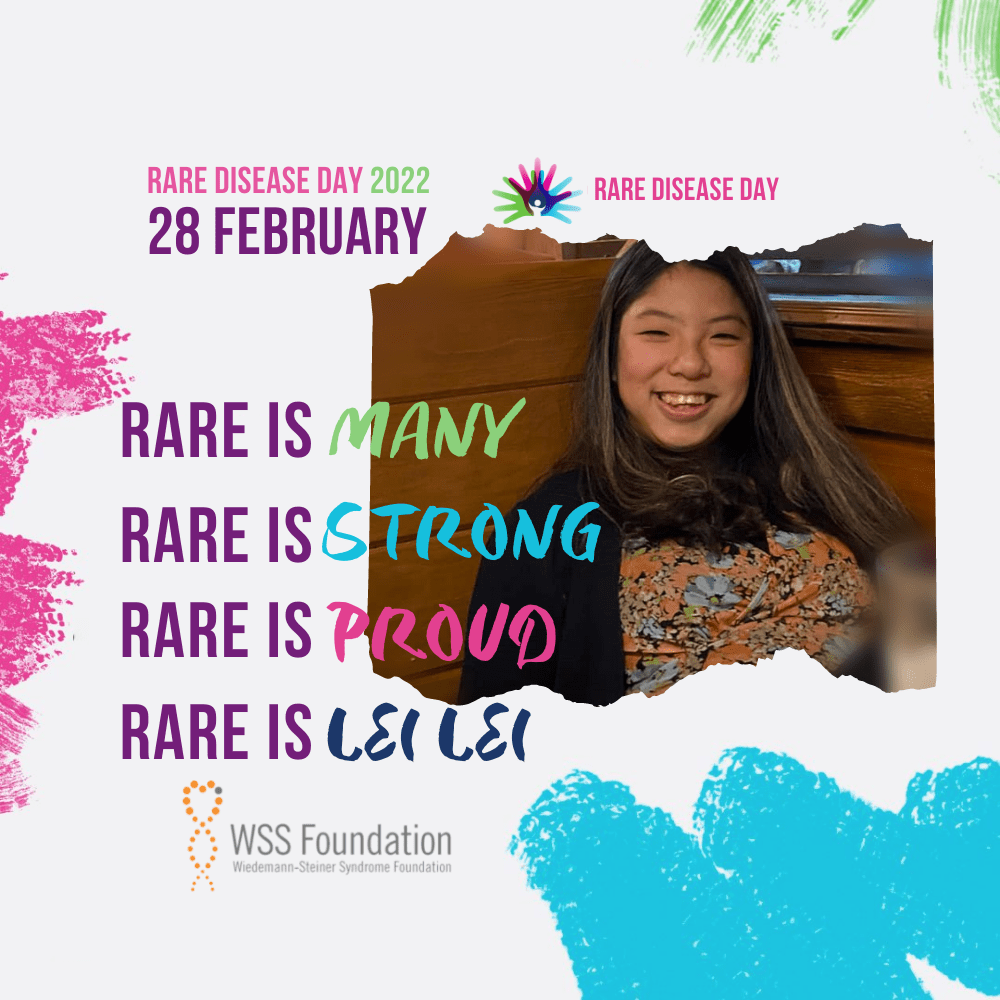
In November of 2021, at the age of 17, we finally knew what we had been dealing with for all these years. Wiedemann-Steiner Syndrome. What is it? Well it’s quite complicated.
What is Wiedemann-Steiner Syndrome? Here is what the internet says:
Wiedemann-Steiner syndrome (WSS) is a rare genetic disorder characterized by developmental delay, intellectual disability, short stature, and distinctive facial features. It is caused by mutations in the KMT2A gene, which is essential for regulating the expression of other genes during development.
Symptoms and features
The clinical presentation of WSS can vary widely, but common characteristics include:
- Developmental and intellectual delays: Most individuals with WSS experience developmental delays, particularly in motor skills and speech. A majority also have some degree of intellectual disability.
- Distinctive facial features: These features can become more pronounced with age and include:
- Thick eyebrows with a lateral flare
- Long eyelashes
- Widely spaced eyes (hypertelorism)
- Narrow and down-slanting eye openings (palpebral fissures)
- A broad or bulbous nasal tip
- A thin upper lip
- Hypertrichosis: Excessive hair growth is a common symptom, particularly on the back and arms. “Hairy elbows” (hypertrichosis cubiti) was once considered a primary feature of the syndrome.
- Growth and feeding issues: Many infants with WSS have low birth weight and postnatal growth restriction, leading to short stature. Feeding difficulties and constipation are also common during infancy.
- Muscular and skeletal differences: Low muscle tone (hypotonia) is often present, especially in infancy. Skeletal issues can include vertebral anomalies, small hands and feet, and scoliosis.
- Behavioral characteristics: Some behavioral and neuropsychiatric differences have been observed, including features of autism spectrum disorder, anxiety, hyperactivity, and aggressive behavior.
- Other associated anomalies: Additional, less common features can affect other body systems, including:
- Cardiac abnormalities, such as patent ductus arteriosus
- Genitourinary anomalies
- Dental issues, like premature eruption of teeth
- Endocrine problems, including growth hormone deficiency
Cause and inheritance
WSS is an autosomal dominant disorder caused by a pathogenic variant in the KMT2A gene. This means only one copy of the altered gene is needed to cause the syndrome.
- In most cases, the genetic mutation occurs spontaneously (de novo) in the affected person and is not inherited from their parents.
- However, an affected parent has a 50% chance of passing the genetic variant on to each child they have.
Diagnosis and management
- Diagnosis: The diagnosis of WSS is typically confirmed through genetic testing, often after clinical symptoms suggest the possibility. The variable nature of the syndrome can make clinical diagnosis challenging.
- Management: Care for individuals with WSS is tailored to their specific needs and requires a multidisciplinary team of specialists. Interventions may include:
- Therapies for developmental delays, such as speech and occupational therapy
- Monitoring and treating medical issues like growth hormone deficiency or cardiac anomalies
- Addressing behavioral challenges
- Special education support
There are fewer than 2000 cases world wide. Think about that, there are approximately over 8.2 billion people living on our planet. That is an extremely rare disease. Many cases go undiagnosed due to the condition’s wide-ranging symptoms and the limited availability of genetic testing in some regions.
Fun Fact: National Rare Disease Day is February 28th, and Wiedemann-Steiner Syndrome day is September 15th.
Wiedemann-Steiner Syndrome was first described by Dr. H-R. Wiedemann in 1989 and later defined as a syndrome by Dr. Carlos Steiner and colleagues in 2000.
Details of the descriptions:
- 1989: Dr. Wiedemann published the initial description of the syndrome, reporting a Caucasian boy with a combination of growth deficiency, psychomotor delay, and distinctive facial features.
- 2000: Dr. Steiner and colleagues defined the syndrome more formally by describing another patient and comparing their case to Wiedemann’s original description.
Since these initial reports, the understanding and prevalence of Wiedemann-Steiner Syndrome have grown significantly, with the underlying genetic cause (pathogenic variants in the KMT2A gene) identified in 2012.
For Lei Lei when tested at the age of 12, the gene deformity was not well known, and was not included in the genetic testing that Dr. Puri did. But in 2021, this genetic mutation appeared. So it took 15 years to find this diagnosis. There is still very little information on how WSS effects those that have it. WSS has different symptoms for each individual that has it. For Lei Lei, she has the short stature, standing at only 4’9″ tall, hairy arms and legs, dental abnormalities, along with the intellectual disabilities.
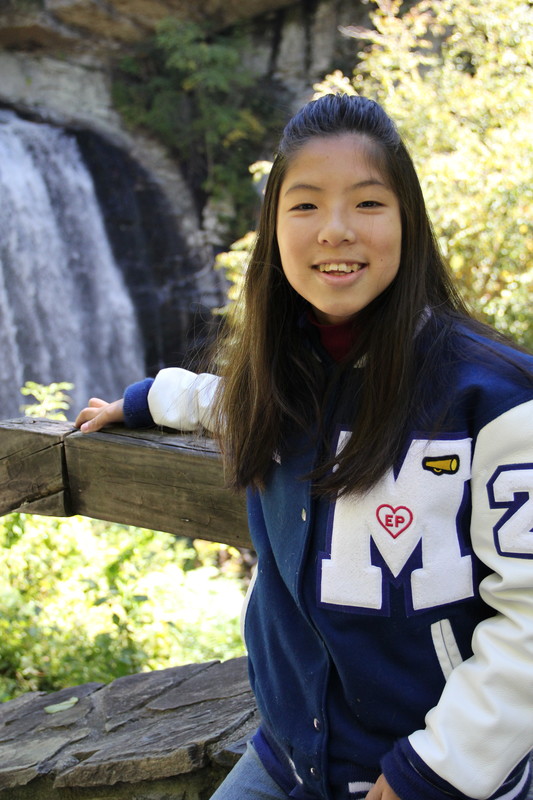
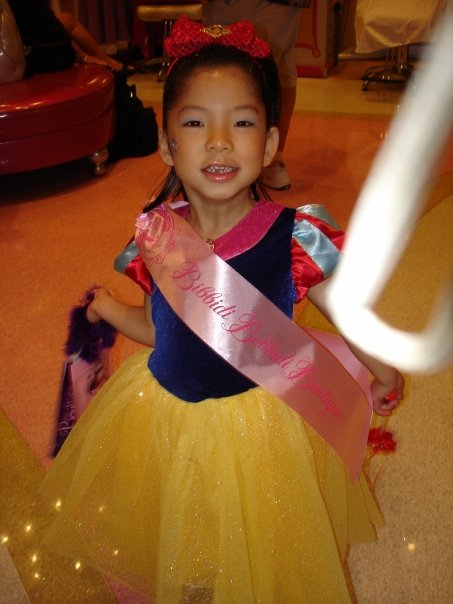
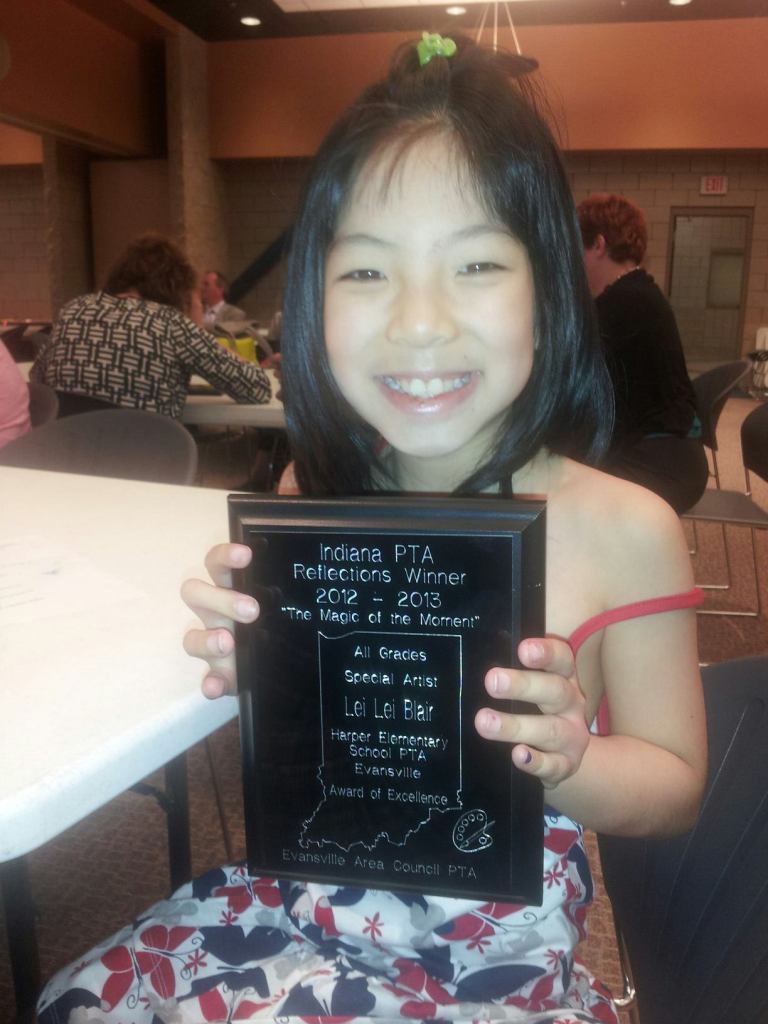

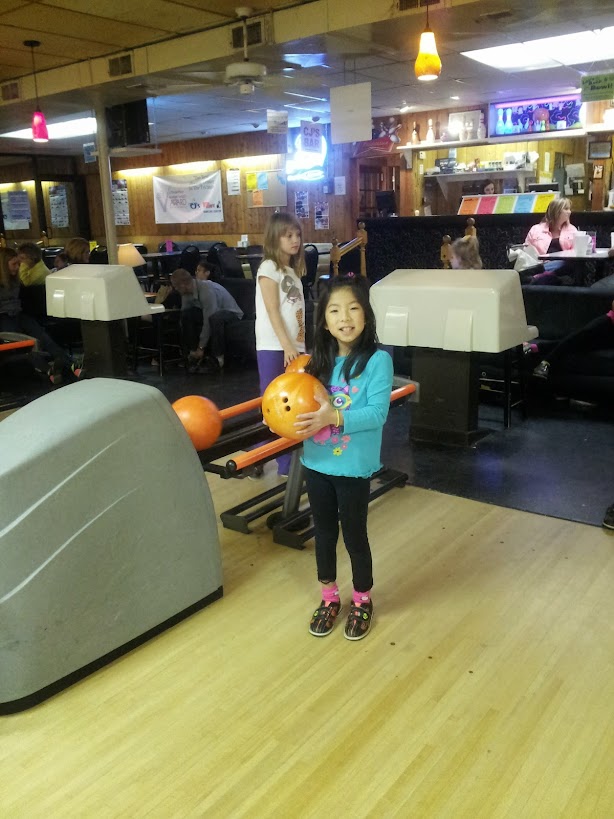
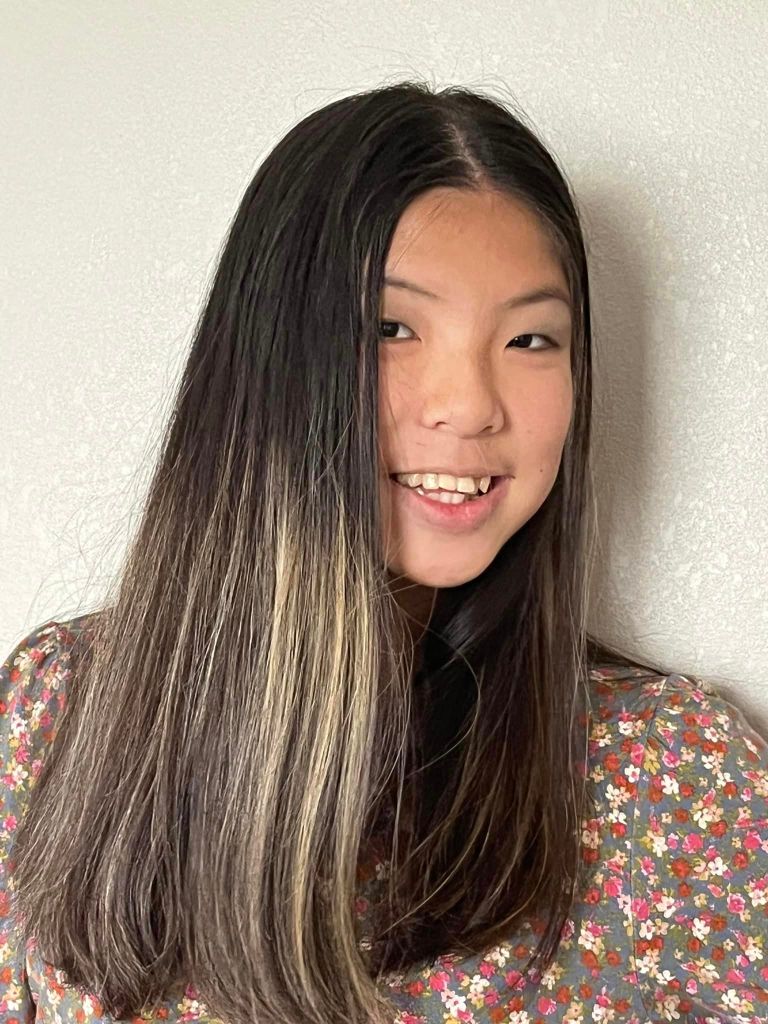

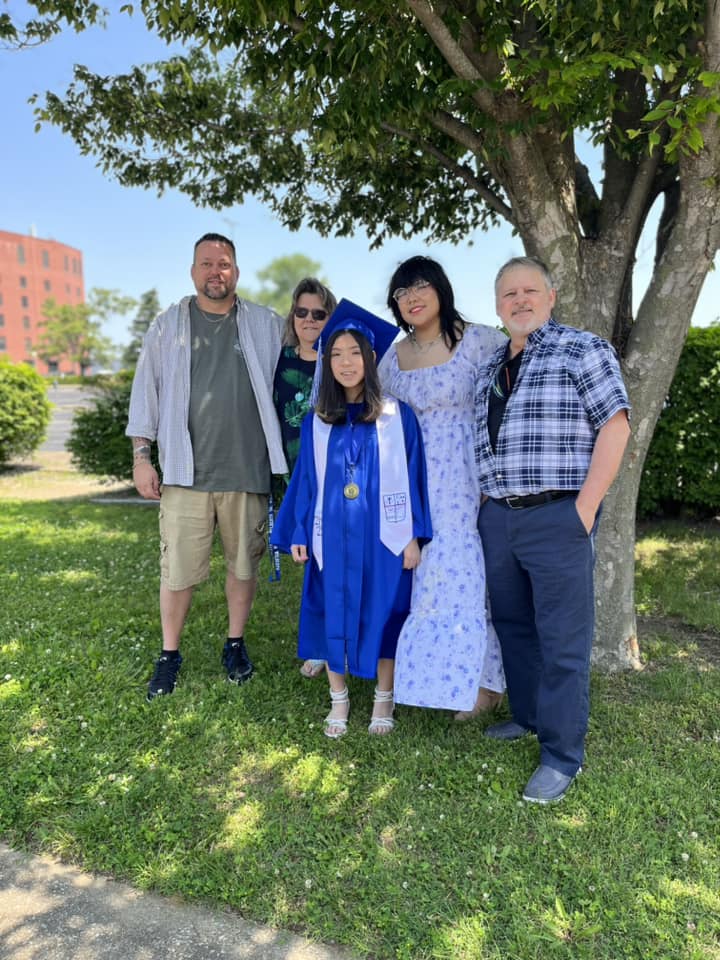
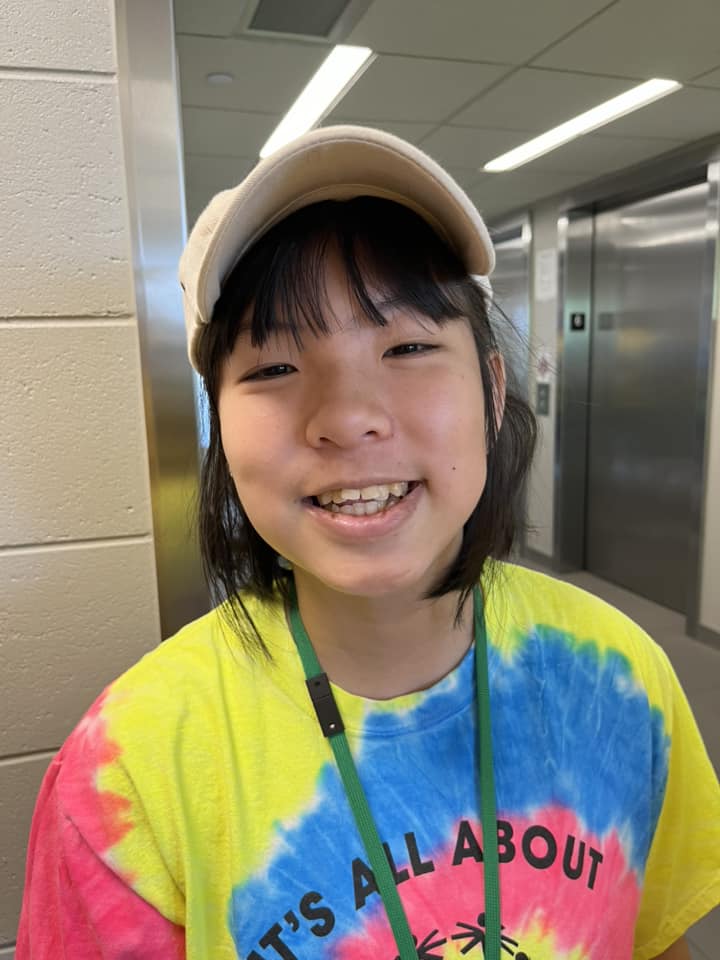
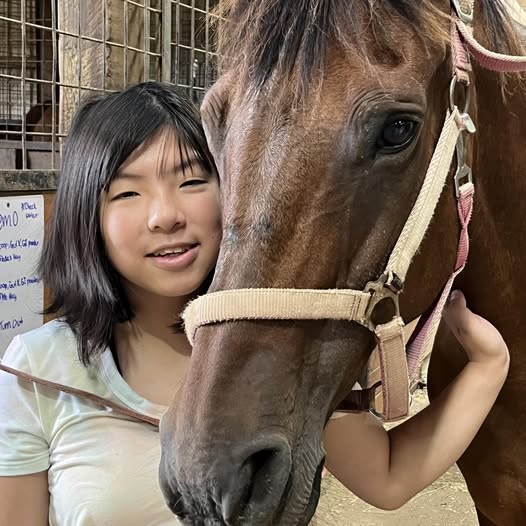
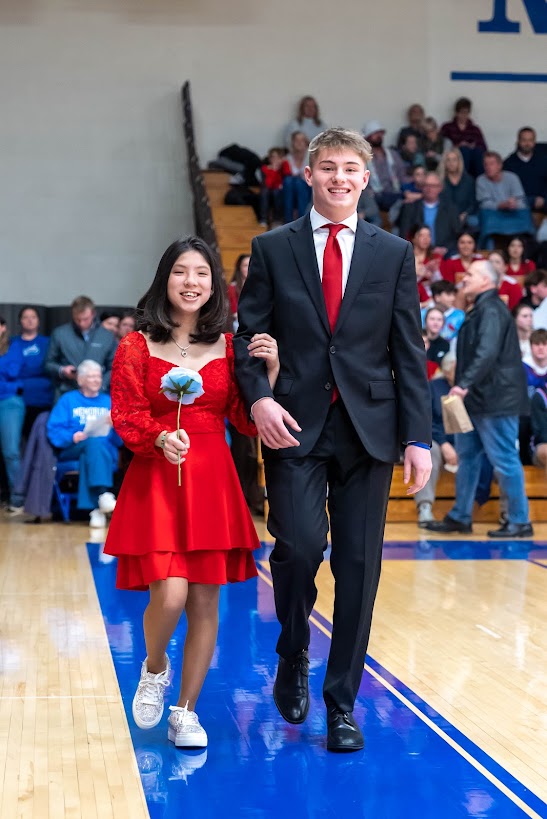
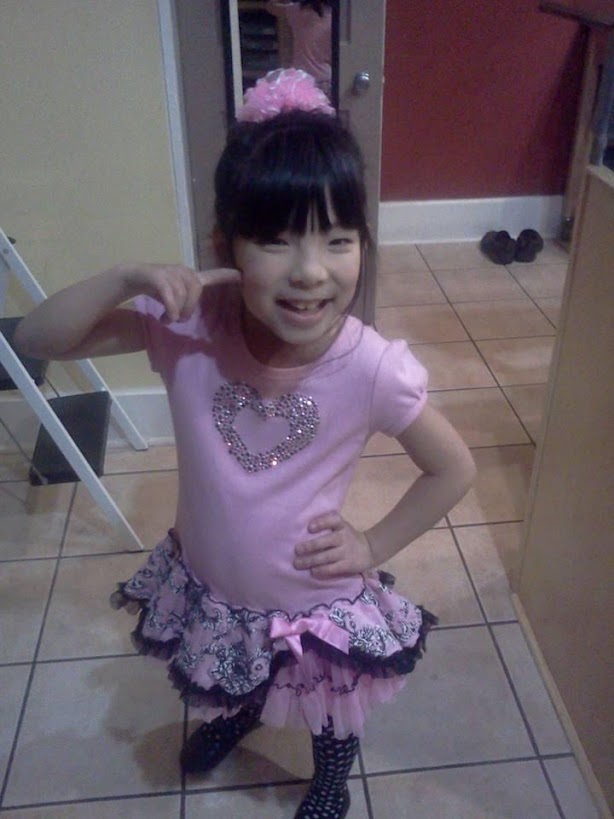
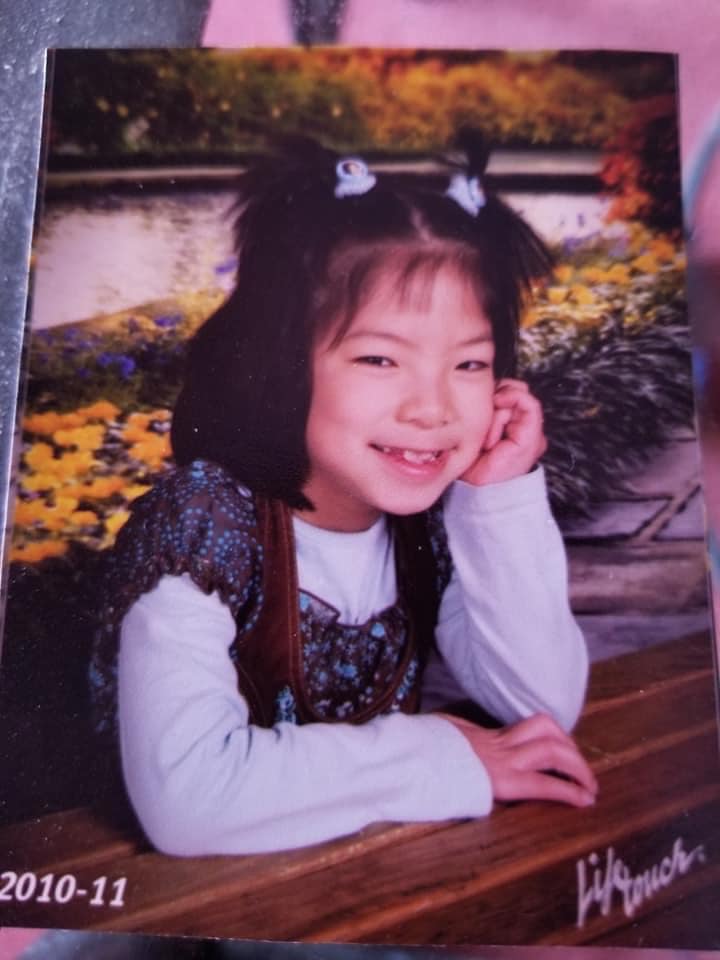
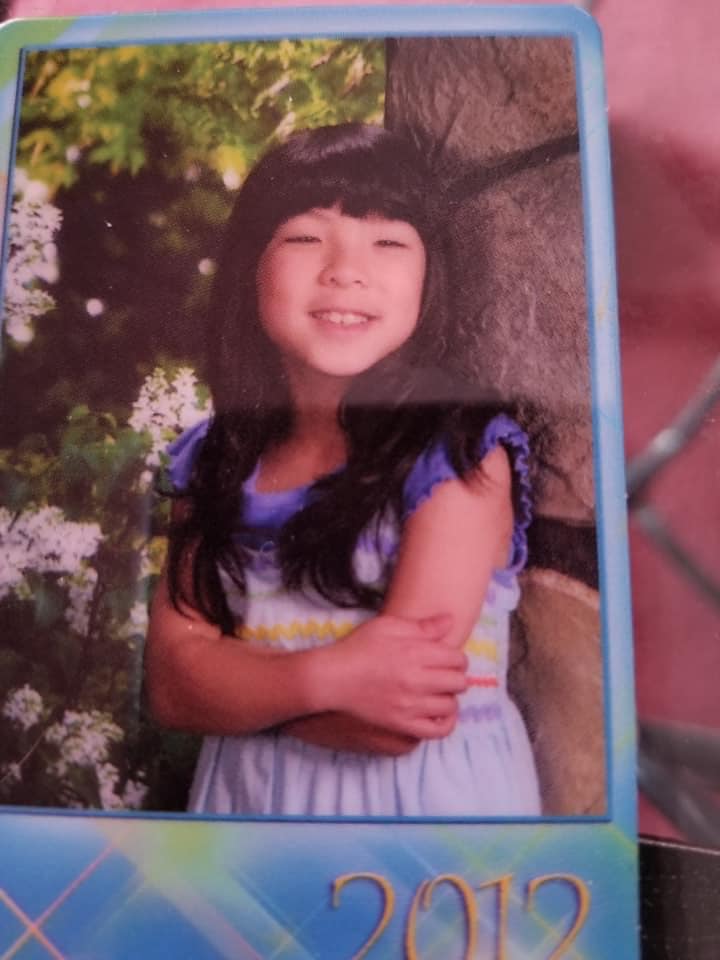
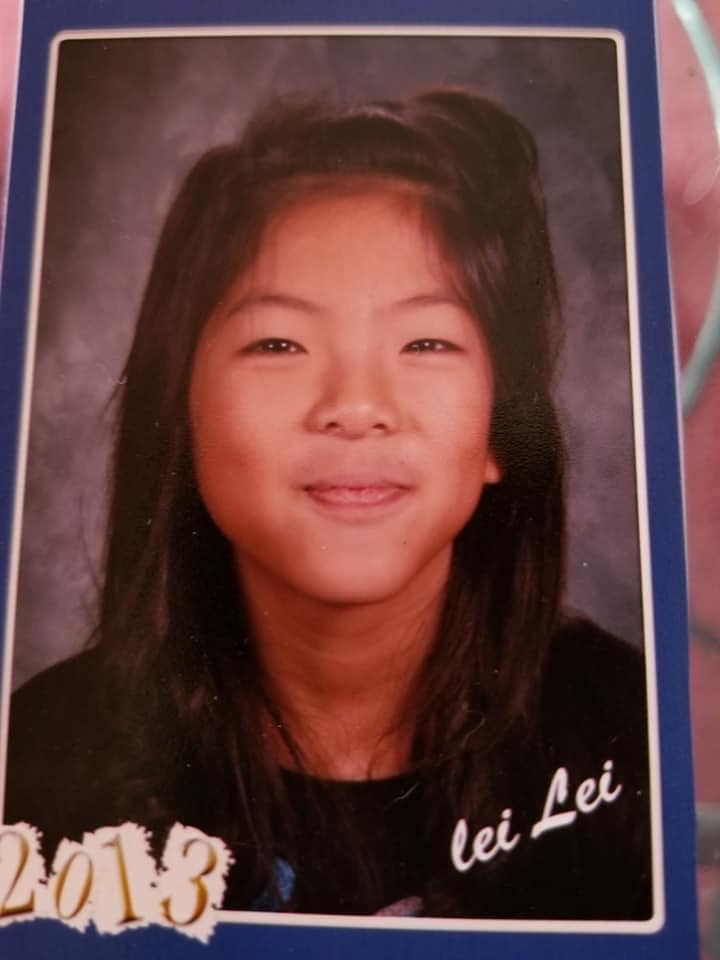
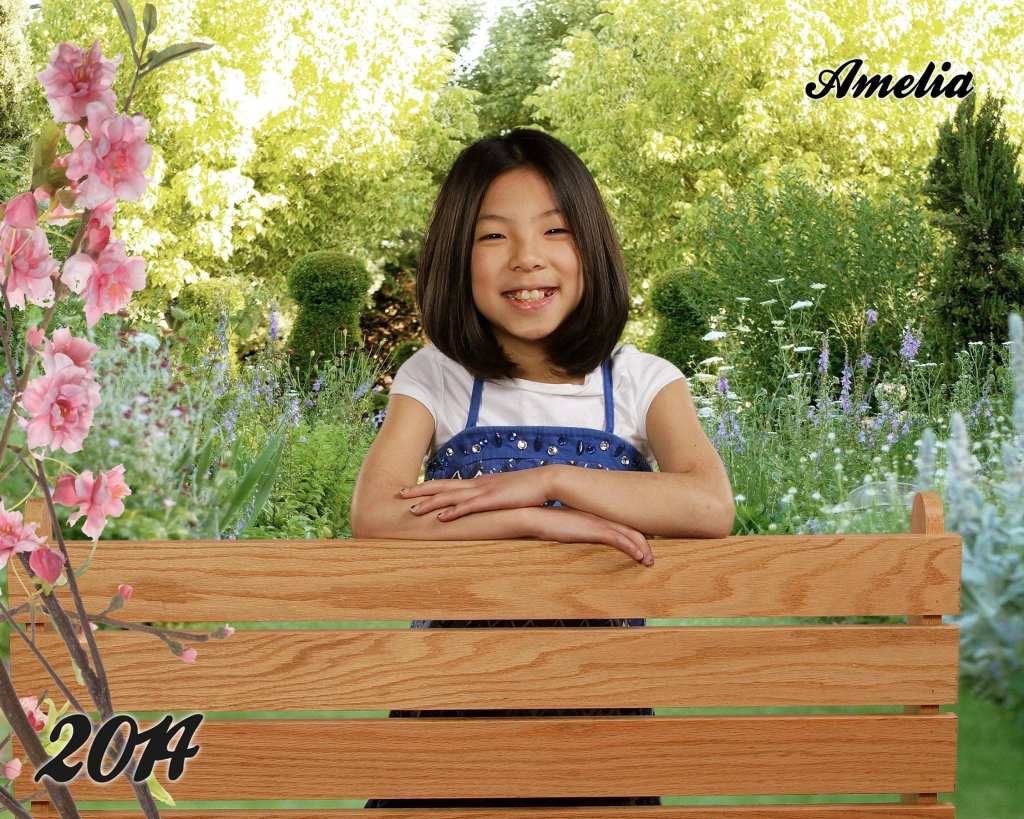
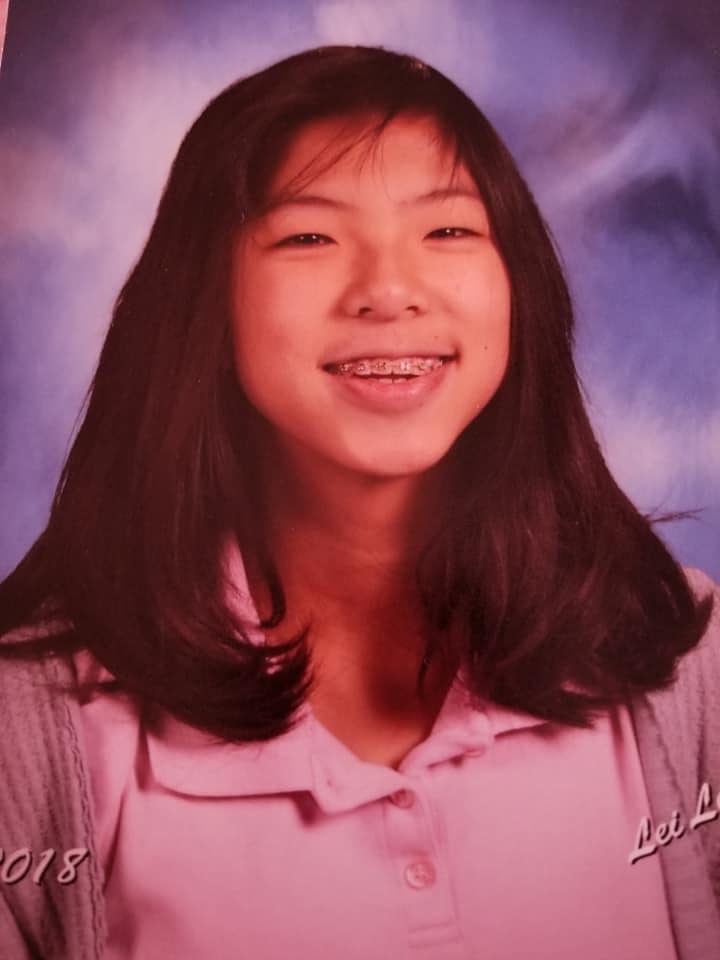

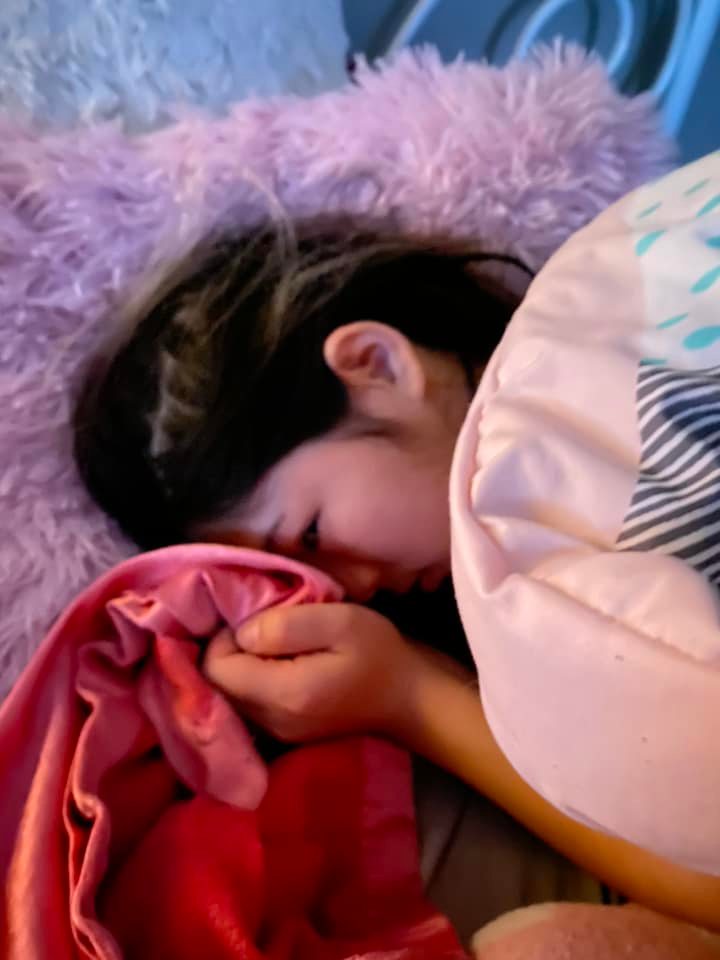
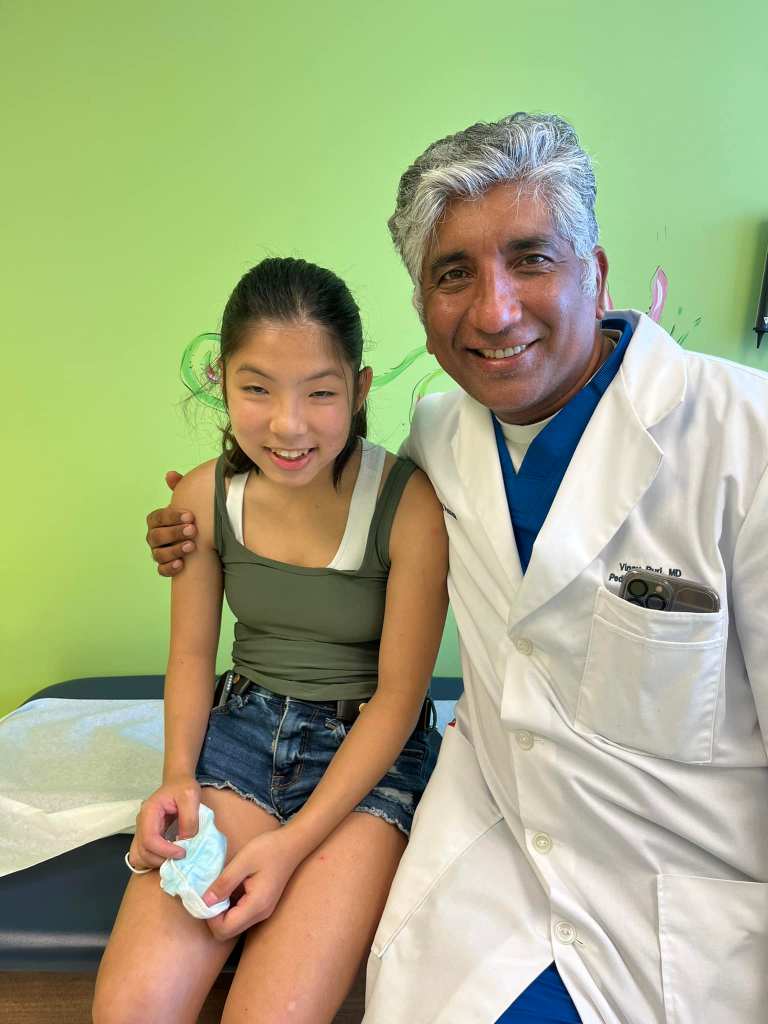
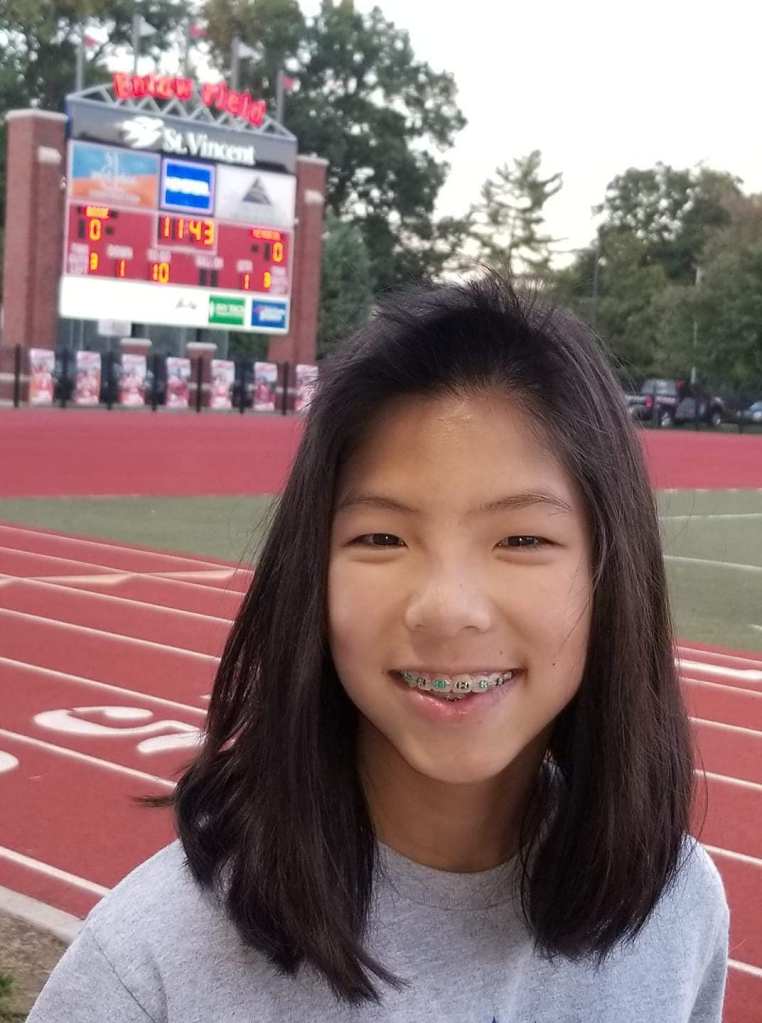
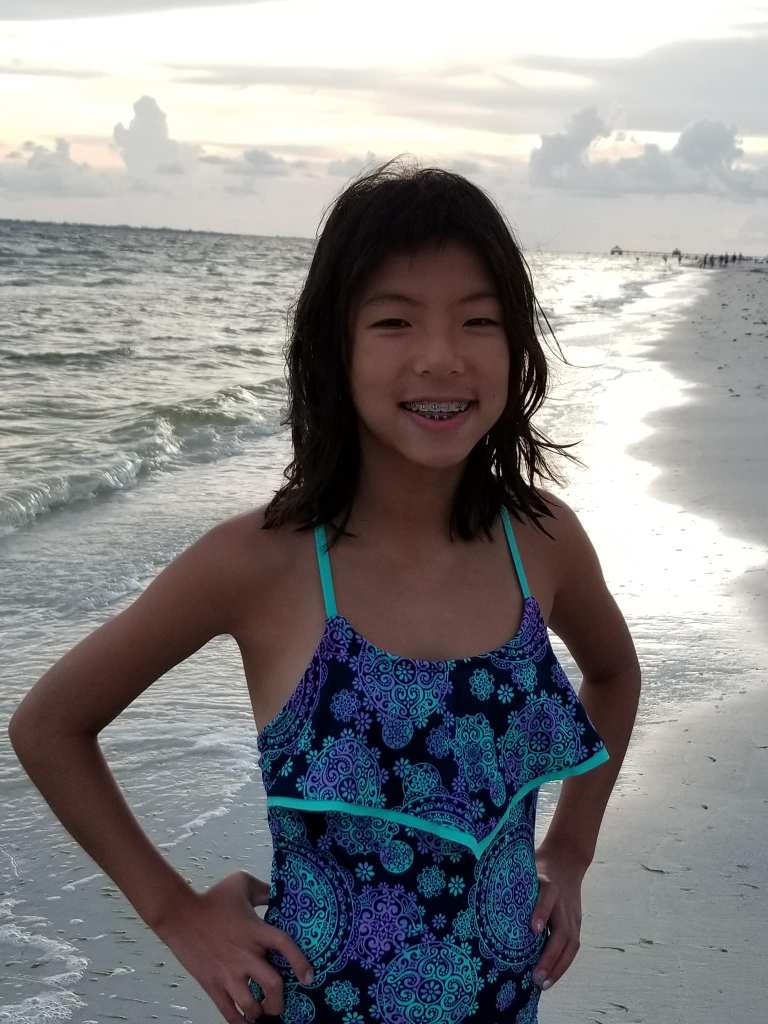
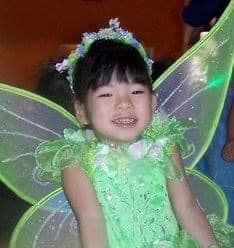
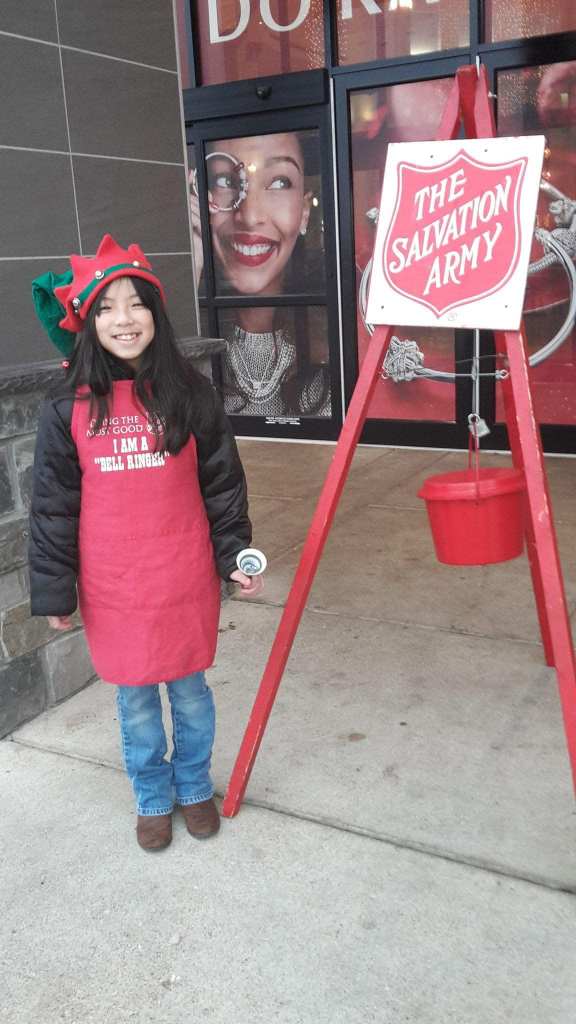
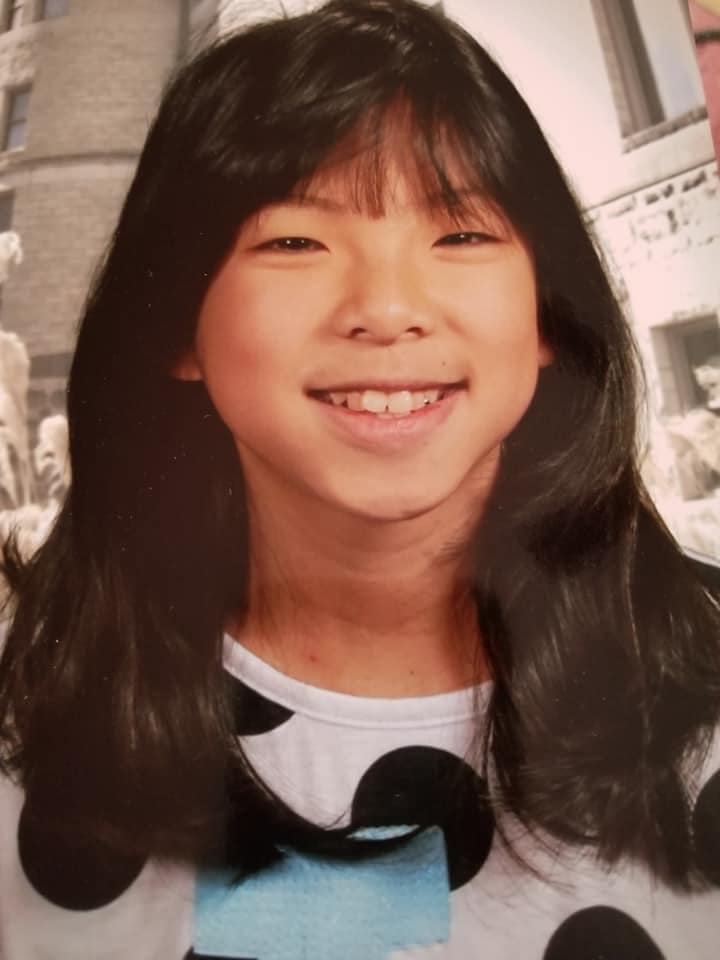
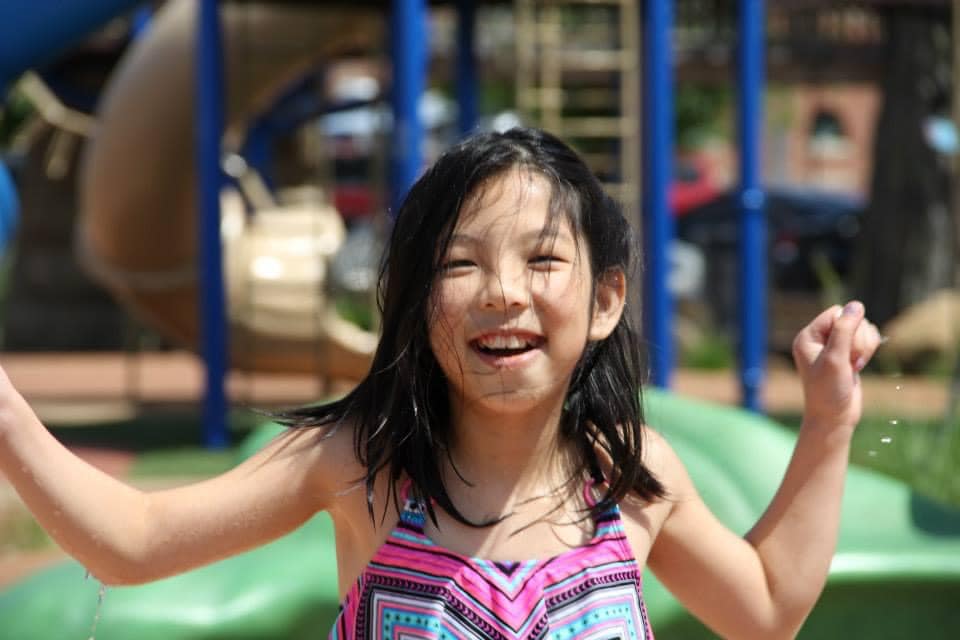
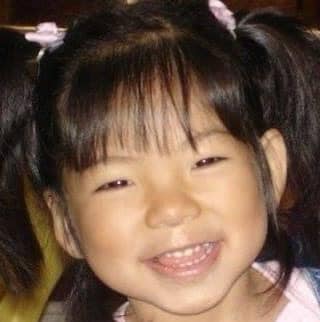
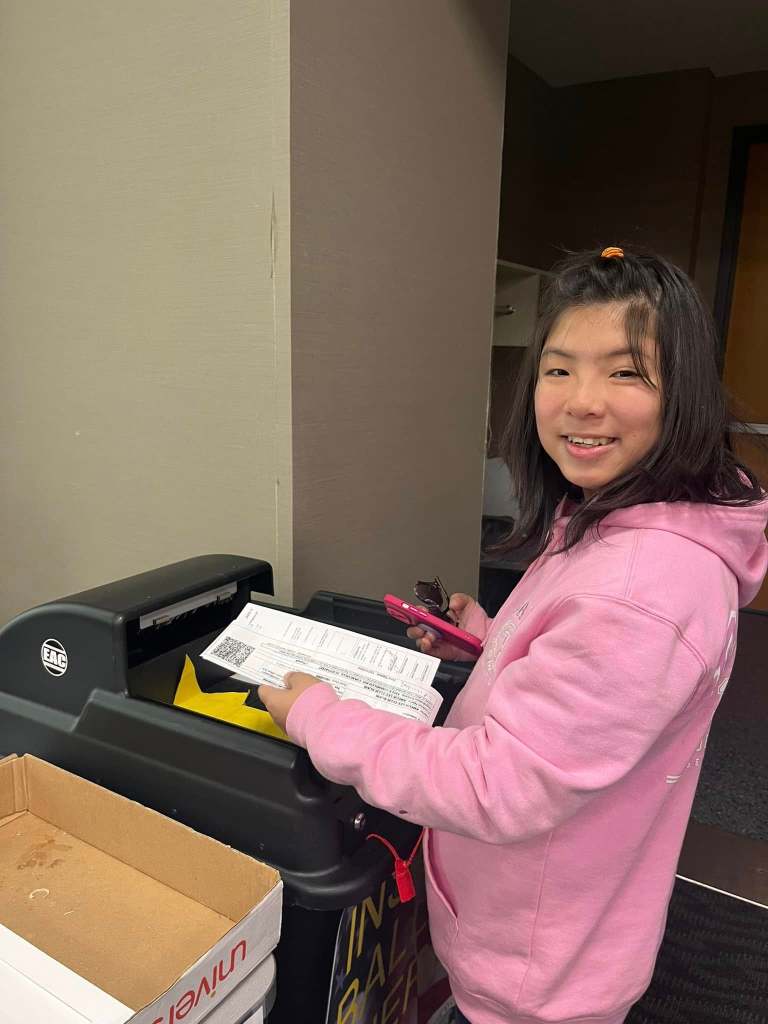
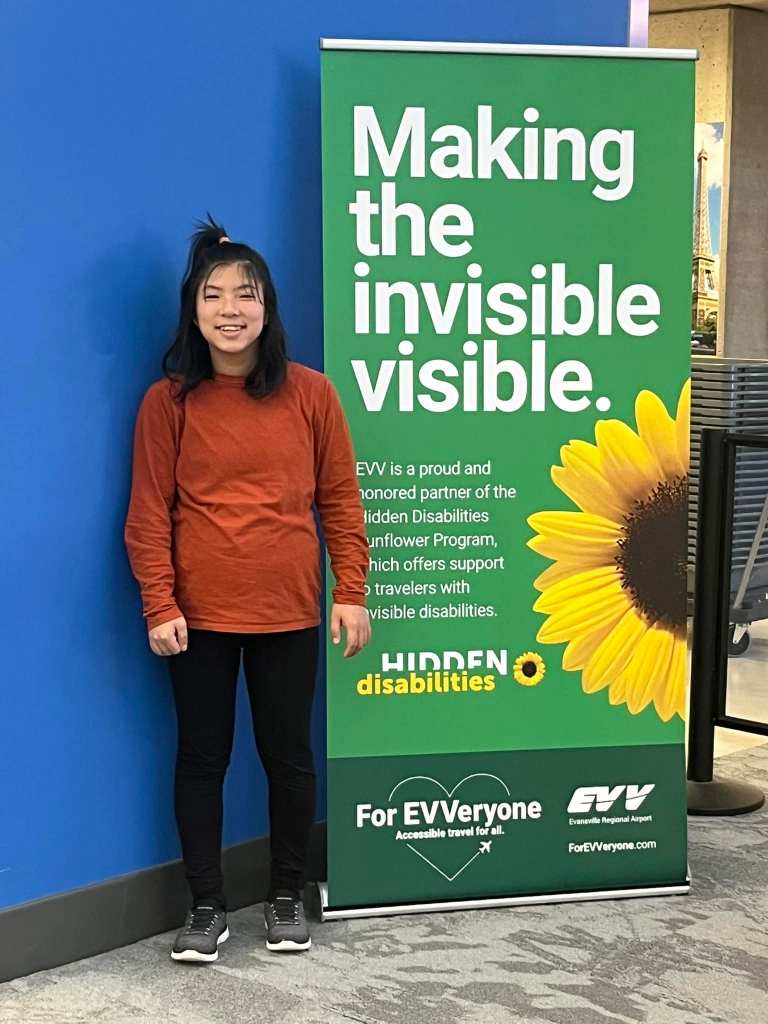
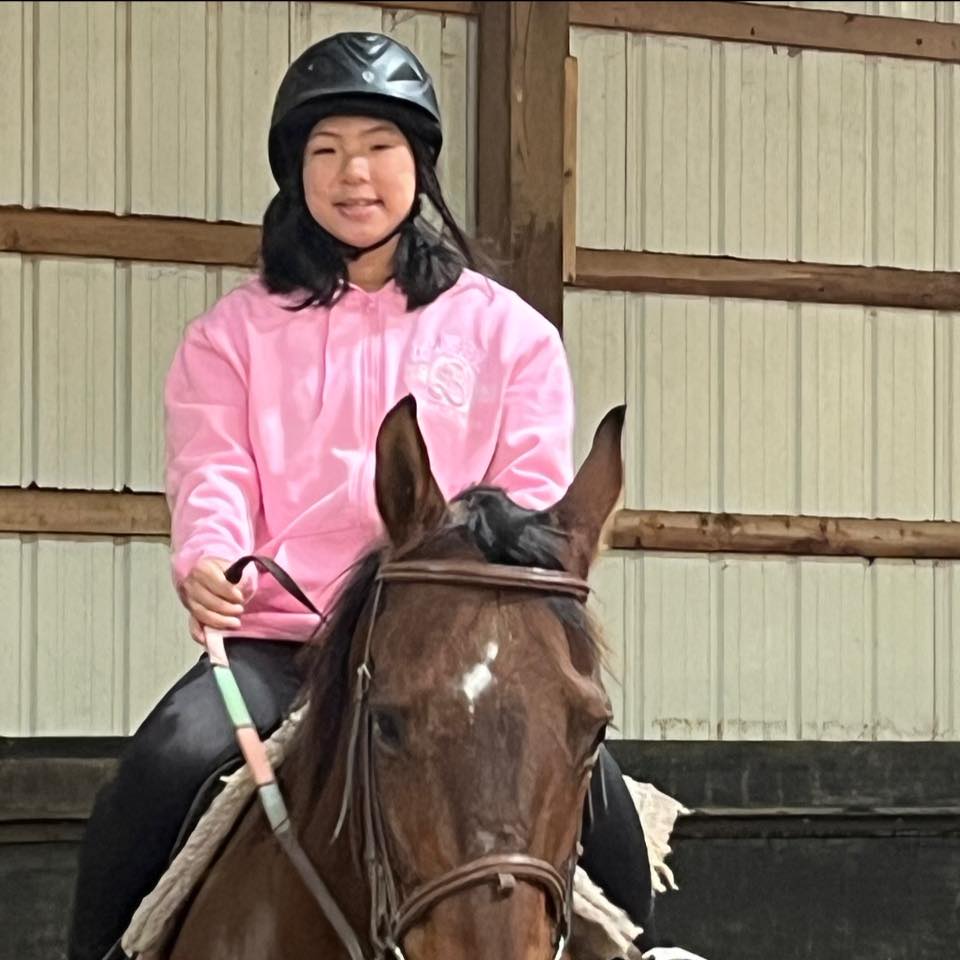
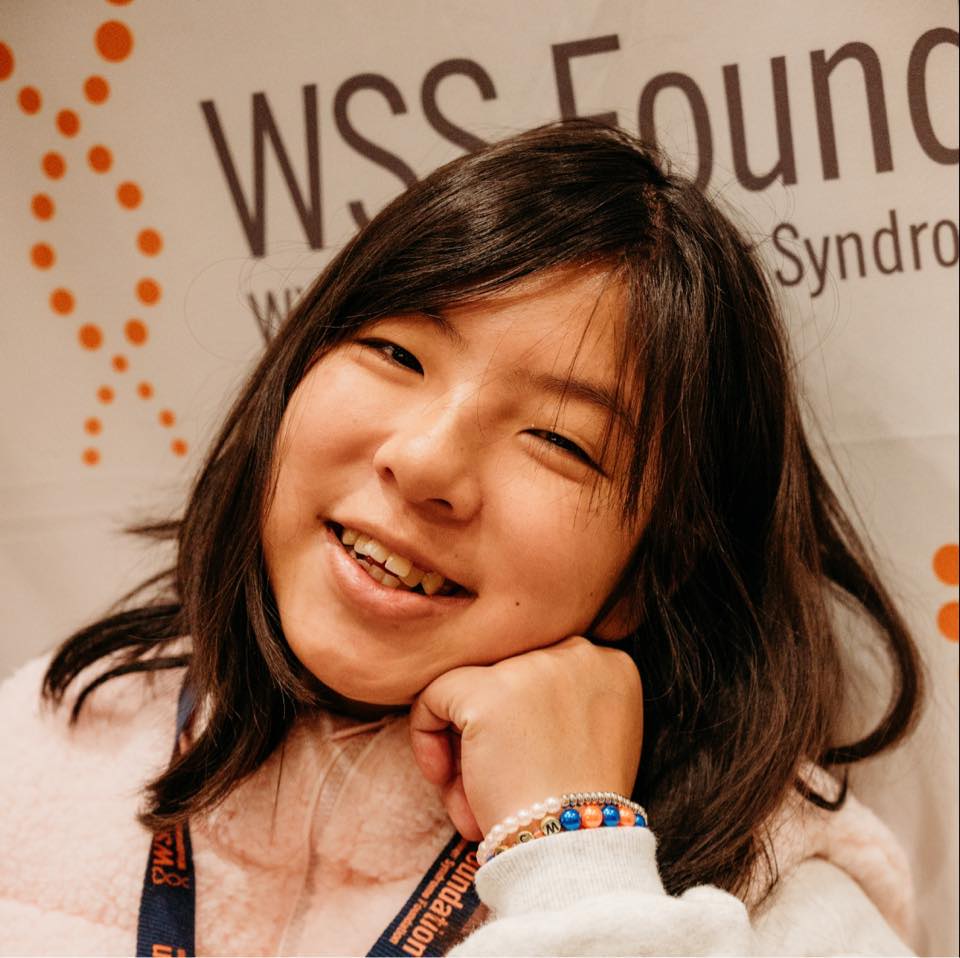
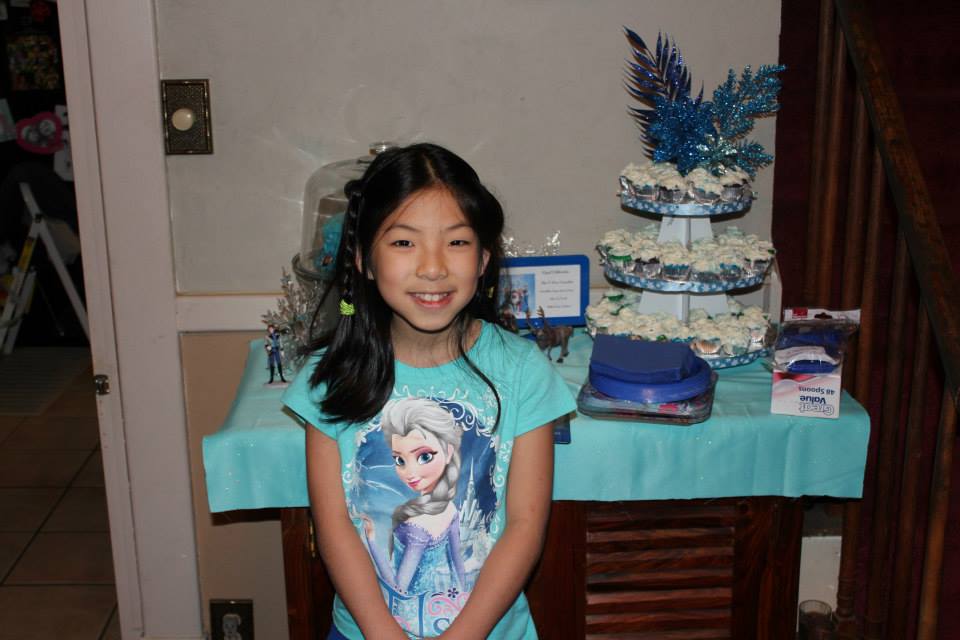
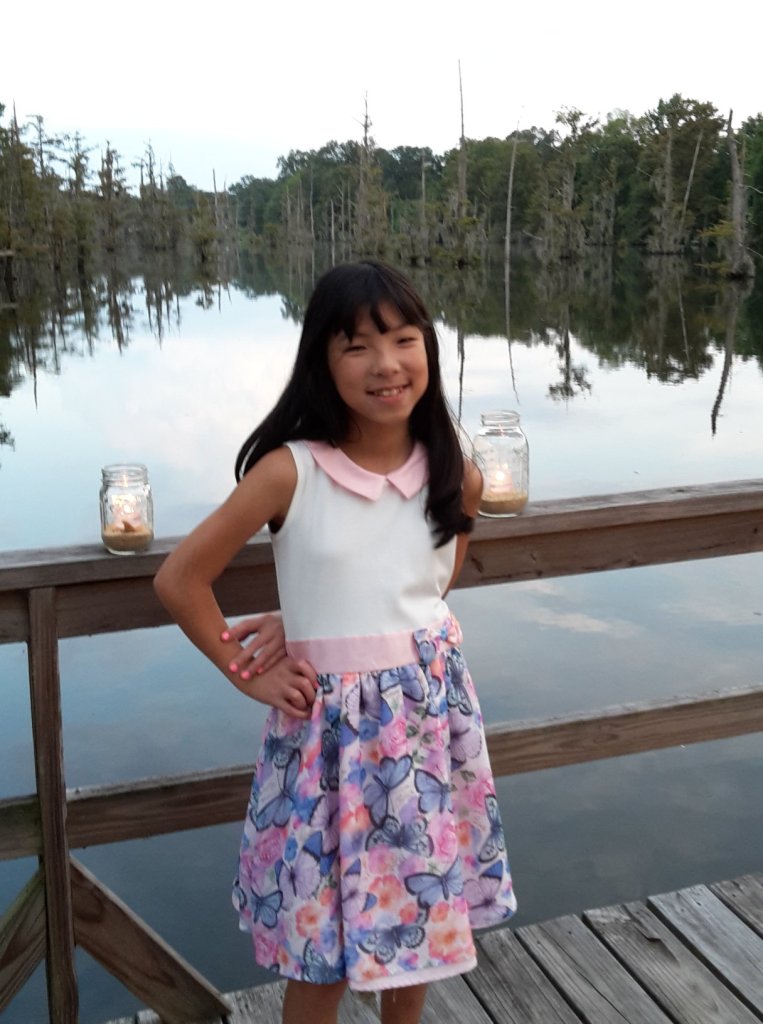
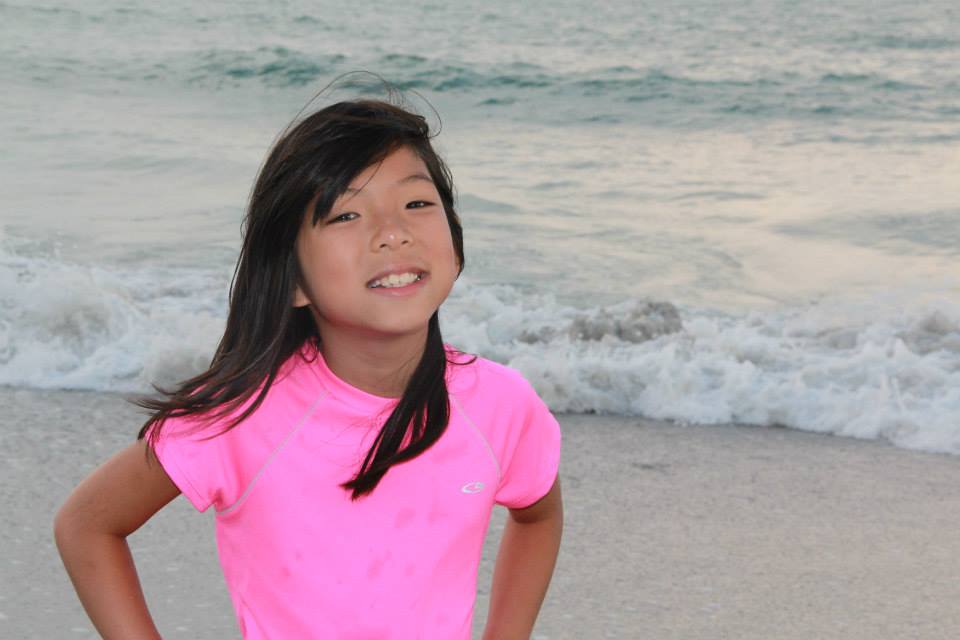
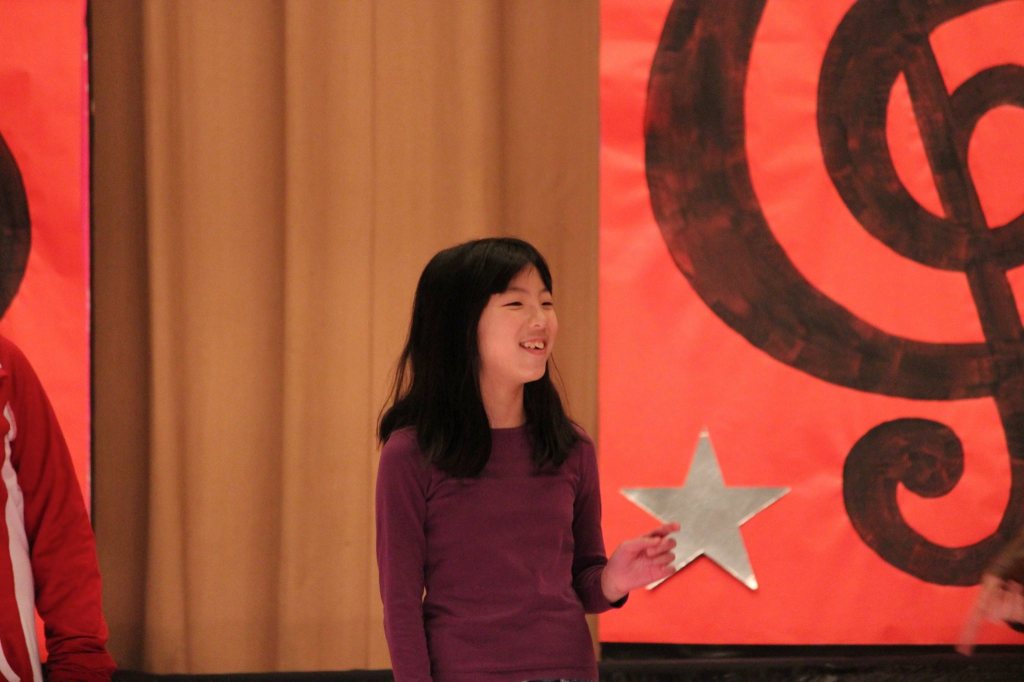
So what does WSS look like for Lei Lei? What symptoms does she have? Lei Lei has several of the WSS symptoms. The physical attributes include, hairy arms, and legs. Dental abnormalities are a huge problem. She wore braces in middle school and the moment they came off they all moved again. Another set of braces was not recommended due to root resorption. Not sure if there will be any affordable options for her to have straight teeth. Her right hand is deformed, she had 2 fingers fused to the palm of her hand. We had 2 surgeries performed and they are somewhat better, but still not normal. The biggest hurdle we have is the intellectual disabilities. Her IQ is somewhere between 55 and 70, and her comprehension is extremely low. Counting money, and doing math is extremely difficult for her. Interesting enough though, Lei Lei is very high functioning. She can camouflage her disabilities very well. You would have to really get into a conversation with her to realize that she has trouble communicating.
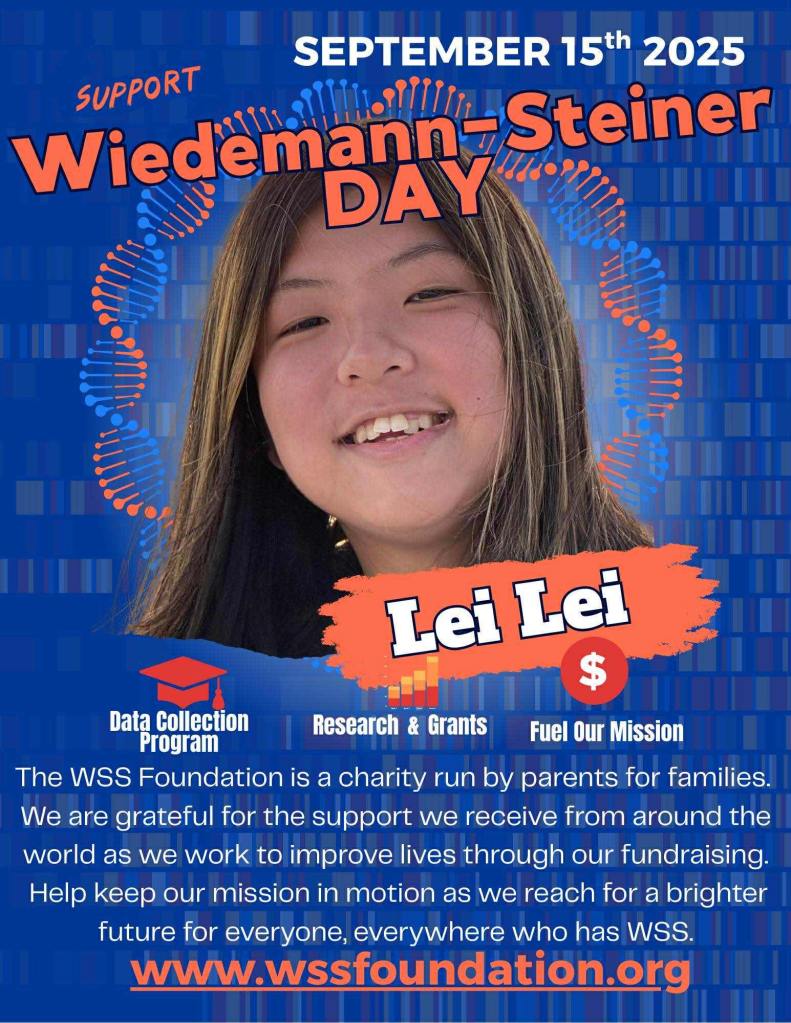
So what has Lei Lei accomplished through out the years?
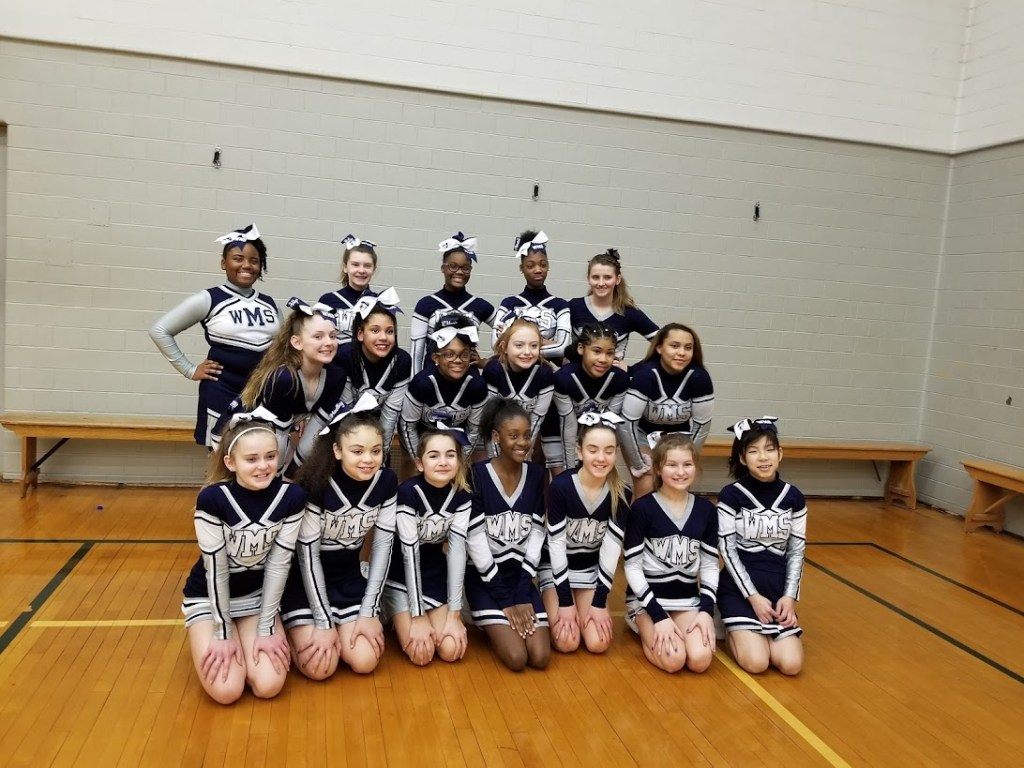
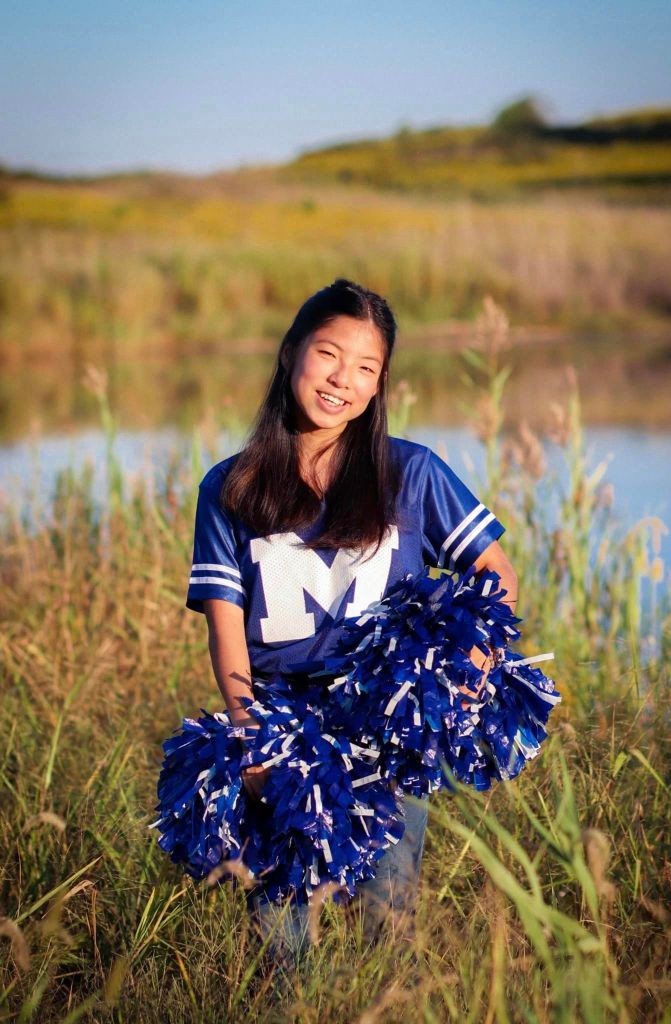
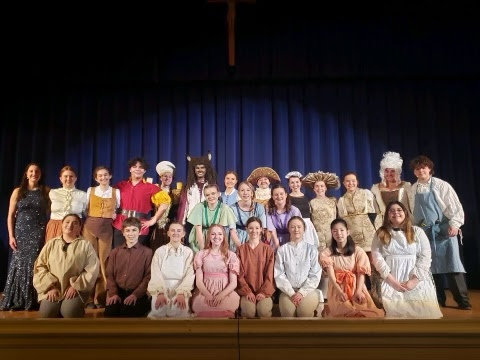
Lei Lei has no fear when trying new things. In elementary school she tried out for every sport offered, however she was never chosen. She did make it into the school talent show along with friends, and she did get to sing in the school chorus one year. We did some gymnastics classes outside of school to help her build her trunk muscles, and she enjoyed that. In middle school, the disappointments continued when she tried out for basketball, volleyball, cheerleading, and others. It wasn’t until her 8th grade year that something happened. She made the cheer team, disabilities and all. This was her calling and she had a blast. The coach was great and saw past the disability and gave her special routines to do. I think her smile and outgoing personality had something to do with it, but hey I am mom, what do I know? This opened the door in a big way when she went to highschool. Lei Lei attended public school up to 8th grade, and when highschool came along we were able to put her in a private catholic school. For the first time ever, the cheer coach invited Lei Lei to cheer with them. We missed the 9th grade year, but she cheered her sophomore, junior and senior year. She was so happy, and loved every minute of it. During her highschool years she was also part of the theater department and had parts in Seussical the Musical which was cancelled due to Covid-19, but had a small part in next years production of Beauty and the Beast.
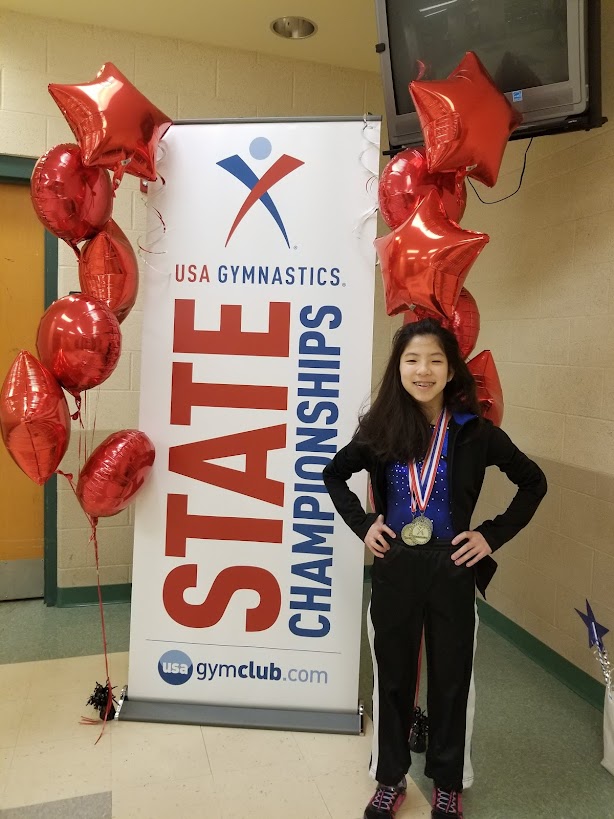
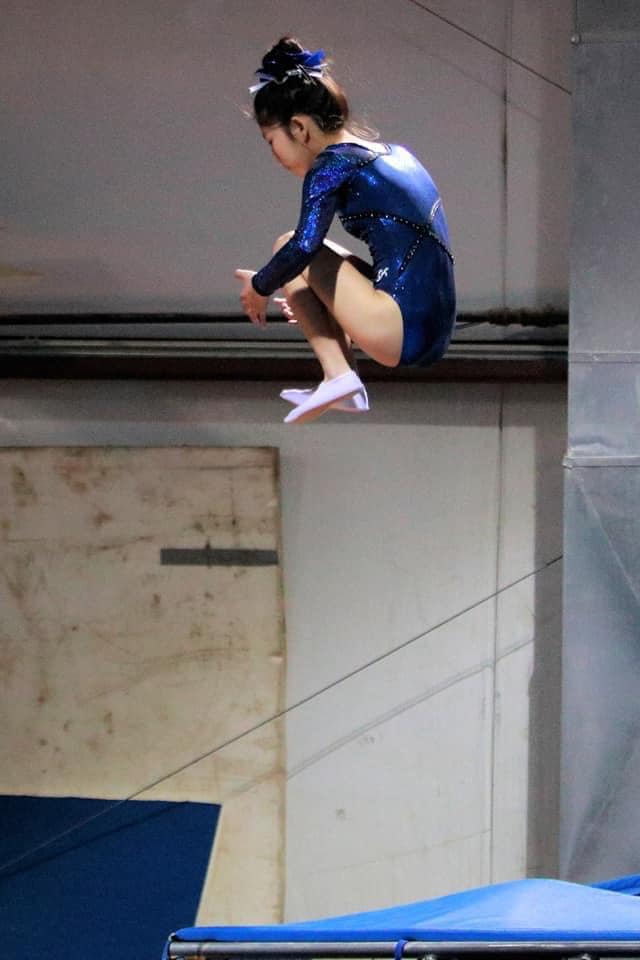
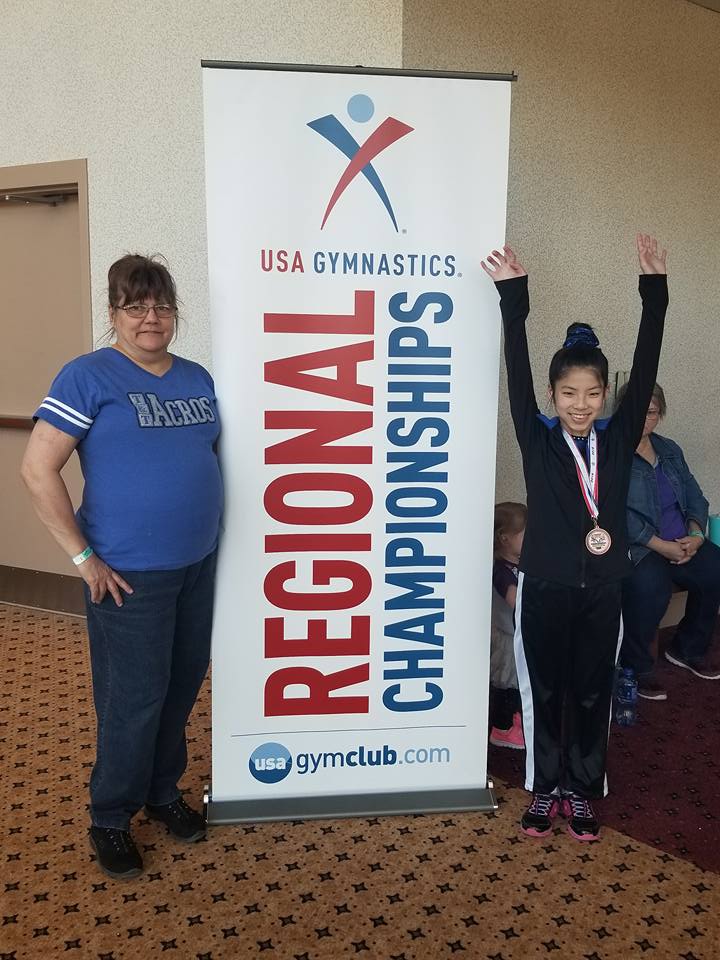
So when she was turned down for school activities we found alternative activities for her to do. During middle school she did competitive tumbling which included floor routine, trampoline and the double mini. The practices kept her in great shape, and she loved the thrill of competition. Nothing like standing on the podium and getting a lot of medals. Because of her disabilities and age, she would sometimes be in a category all by herself, which of course meant first place. We had a blast traveling all over Indiana for weekend meets. Of course I was her number one fan, and loved seeing the smiles come out when she would stick her landings. Middle school years also included horseback riding. There was a therapeutic riding program called Healing Reins that we enrolled her in. Again, we loved doing this because I am originally from Lexington, Kentucky and that is horse country. I love horses, and was thrilled when she said she wanted to do it. It was a great program and she won her first blue ribbon. Then there was a decision to make, horseback riding or highschool cheerleading. Of course highschool cheerleading was the decision. Who could blame her? Her mom always wanted to be a cheerleader, but never made it, so who was I to take that dream away?? We both loved every single minute of it. The biggest thrill of her senior year was being on the basketball homecoming court. That moment was priceless, she didn’t receive the crown, but just being nominated from her peers and being on the court was a magical moment for her. However, all good things must come to an end, and it did come to an end in May 2023. Graduation, due to the learning disabilities she did not receive a regular diploma, but did receive a certificate of completion and we were fine with that. So what happens now once highschool is over???
So What Happens when High School is Over????? For Lei Lei it was quite difficult. College was not an option for her, without a regular diploma that wasn’t going to happen. Her friends were all moving into dorms getting ready to start their life as college freshman, and what is she doing? Laying in bed a lot, with a whole lot depression. There are few programs in Evansville for those in the age range of 18-25 that have an intellectual disability, or any other disability for that matter. We tried to keep her spirits up and transformed her bedroom into a college dorm room just like all her friends were doing. We fixed up the room complete with a loft bed, lots of storage containers, bedding that matched the colors of where I work, the University of Southern Indiana. But still that wasn’t quite enough, so we enrolled her into a class at USI, a very basic intro to film class. We thought this would be a good fit since her dad has been in video production for years. She enjoyed the class, however she could not pass the tests, so she withdrew from it. She did a lot of volunteer work to keep her busy during the day, from the Ronald McDonald House to Easter Seals office, and the YMCA. However most of the day was spent just laying around the house doing nothing but being on her phone. I am lucky to have great friends that understand her disability and can understand the 200 texts messages that she sends to them in a day. Evansville does not really have a facility for those with high functioning disabilities. We tried ARC of Evansville, however it wasn’t the best place for her to be. She would be in rooms with those with much worse disabilities and she couldn’t figure out how to manage it. So we just kept looking for other alternatives, and that led to a job coach with Sycamore Services in Evansville IN.
Did somebody say job coach???? Yes I did. Lei Lei did work for Bath and Body Works for one holiday season. She loved it, and we were under the impression they were going to keep her on, but the only scheduled days she received after Christmas, was Valentine’s Day, and Mother’s Day. We went in and talked to them and decided to put in her notice. The store management told us they would bring her back the next holiday season, and kept leading her on that they would, but they did not. Needless to say she was heart broken.
So this is where the job coach comes in, Lei Lei started working with Jenna from Sycamore Services, and has been really good with working with Lei Lei on her job skills, interview skills, and even helped her write a resume. Lei Lei interviewed several places, and landed a job with the Sierra Store which is part of the TJ Maxx brand. She only works one day a week, but for now its fine. Jenna continues to work with her and they keep applying at different places trying to find her something with more hours. I know she will eventually find something that is the right fit for her.
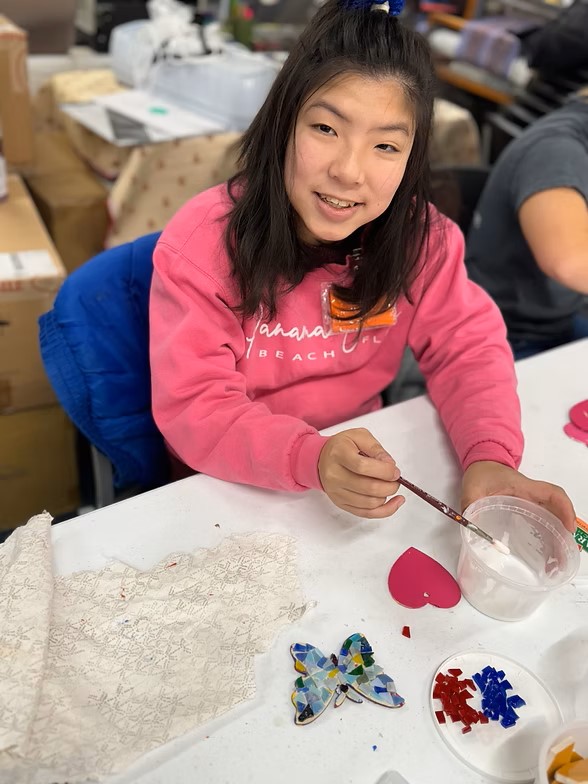
During this time, Jenna took her to a place called the Hope Gallery. I did not know that this place existed.
https://www.thealexandalifoundation.com/tristate
https://www.facebook.com/reel/1322277529499436
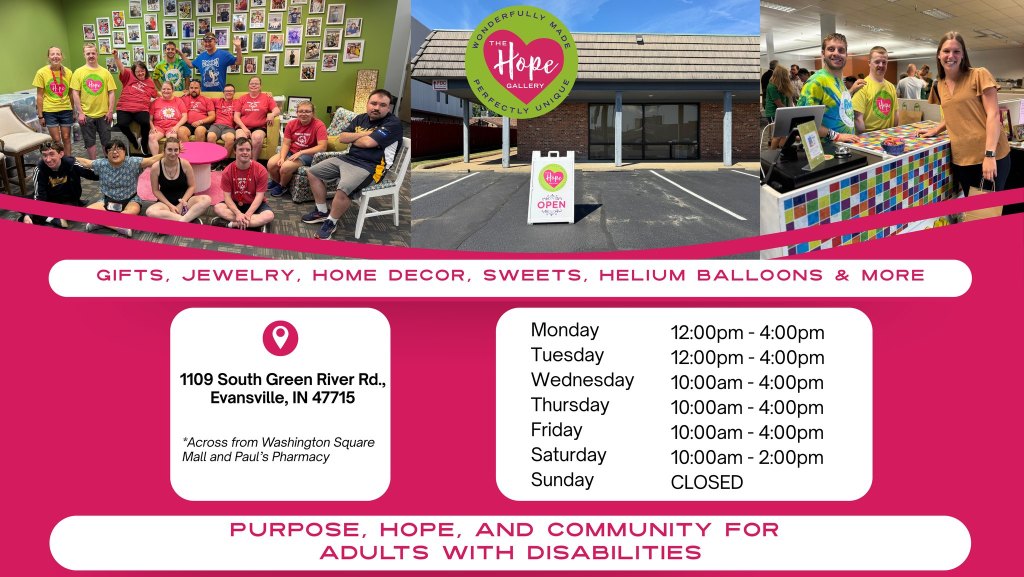
The Hope Gallery is a nonprofit boutique that sells unique items like art, jewelry, and home decor, which are primarily created by adults with developmental disabilities, called “Team Members”. It provides these individuals with vocational training and job skills, such as customer service and inventory tracking, while focusing on abilities rather than disabilities. The gallery also sells products from other artists with disabilities and is named after the founder’s daughter, Hope Parker, who passed away.
Legacy: The gallery was founded by Jennifer and Andrew Parker to honor the legacy of their daughter, Hope.
Mission: To empower and enhance the lives of adults with autism and other developmental disabilities through job skill development, vocational activities, and community involvement.
Products: The gallery sells a wide range of products, including handmade art, jewelry, and home decor, often made by its own team members.
Training: It provides practical job training in areas like customer service, sales, and inventory.
Community: The Hope Gallery has a growing presence in Indiana, with locations in Evansville and Bargersville.
So what does the Hope Gallery do for Lei Lei??? The Hope Gallery gives Lei Lei a sense of belonging. She has made friends and has found a purpose for herself. She is learning life skills that help her understand how a business operates and what she can do to make the Hope Gallery successful. Best example I can give is when Lei Lei was struggling with moving into a group home. The group home has been a challenge bringing with it depression, and sadness. The moment she walks into the Hope Gallery she transforms back to the girl that is happy go lucky, having fun, not being judged of what she can’t do, but what she can do. The best way to describe it is from the movie the Wizard of Oz, where in the beginning the movie is in black and white and the tornado is in motion, and then suddenly it abruptly lands and the motion stops. Then all of a sudden, very slowly Dorothy opens the door, and in a split second everything is in technicolor. Everything is bright, and vibrant, and most of all a happy place. This is what it is like when Lei Lei walks into the Hope Gallery. She goes from depressed to happy in a matter of seconds.
Now I know Dorothy doesn’t seem depressed in this part of the movie, but she is hesitant and maybe even a little skeptical of what is behind the door when she opens it. When she does open the door and steps out into Munchkin Land you can tell she is in awe of what she is seeing, and her reaction is that of being in a place that is creative, happy and friendly. This is exactly how Lei Lei reacted the first time she walked into the Hope Gallery. If you are local, you need to check out their new location and see what a unique place it is.
 Hopeful Horizons
Leave a comment